
Journal of Research in Dental
and Maxillofacial Sciences

Volume 11, Issue 2 (6-2026)
J Res Dent Maxillofac Sci 2026, 11(2): 164-173 |
Back to browse issues page


Ethics code: IR.IAU.DENTAL.REC.1403.026


Download citation:
BibTeX | RIS | EndNote | Medlars | ProCite | Reference Manager | RefWorks
Send citation to:


BibTeX | RIS | EndNote | Medlars | ProCite | Reference Manager | RefWorks
Send citation to:
Ebrahimgol S, Nemati Anaraki S, Ghanaat M, Ramouz E, Hoorizad ganjkar M. Effect of a Hemostatic Agent on Bond Strength and Durability of Bonding in Three Different Adhesive Systems. J Res Dent Maxillofac Sci 2026; 11 (2) :164-173
URL: http://jrdms.dentaliau.ac.ir/article-1-1226-en.html
URL: http://jrdms.dentaliau.ac.ir/article-1-1226-en.html
Saeedeh Ebrahimgol1 
 , Saeed Nemati Anaraki2 , Mahsa Ghanaat1 , Emad Ramouz1 , Maryam Hoorizad ganjkar *3
, Saeed Nemati Anaraki2 , Mahsa Ghanaat1 , Emad Ramouz1 , Maryam Hoorizad ganjkar *3
1- Department of Operative Dentistry, TeMS.C., Islamic Azad University, Tehran, Iran
2- Department of Operative Dentistry,TeMS.C., Islamic Azad University, Tehran, Iran
3- Department of Operative Dentistry, TeMS.C., Islamic Azad University, Tehran, Iran ,mahoorizad@yahoo.com
2- Department of Operative Dentistry,TeMS.C., Islamic Azad University, Tehran, Iran
3- Department of Operative Dentistry, TeMS.C., Islamic Azad University, Tehran, Iran ,
Full-Text [PDF 759 kb]
(381 Downloads)
| Abstract (HTML) (1746 Views)
Table 1. Descriptive statistics of µTBS values after 24 hours of storage in distilled water and also after thermocycling
Table 2. Comparison of µTBS (MPa) between the adhesive systems after 24 hours of storage in distilled water and without the application of ViscoStat Clear
Table 3. Comparison of µTBS (MPa) between the adhesive systems after thermocycling and without the application of ViscoStat Clear
Table 4. Comparison of µTBS (MPa) between the adhesive systems after thermocycling and application of Viscostat Clear
Effect of ViscoStat Clear application within each adhesive system:
For all three adhesive systems (Adper Single Bond, All-Bond Universal, and Clearfil SE Bond), when µTBS was measured after 24 hours of storage in distilled water, the use or omission of ViscoStat Clear did not result in any statistically significant difference in µTBS (P>0.05). However, when µTBS was measured after thermocycling, the Adper Single Bond group showed a statistically significant difference between specimens with and without ViscoStat Clear (P=0.000), with a notable reduction in µTBS in the group treated with ViscoStat Clear.
In contrast, for the other two adhesive systems (Clearfil SE Bond and All-Bond Universal), the application of ViscoStat Clear did not result in a statistically significant difference in µTBS after thermocycling (P>0.05).
Effect of thermocycling on µTBS of different adhesive systems:
In the Adper Single Bond group without the use of Viscostat Clear, the thermocycling µTBS and the 24-hour µTBS did not show a statistically significant difference (P=0.230). However, when Adper Single Bond was used after Viscostat Clear, the µTBS values decreased in the thermocycled groups (P=0.002).
In the Clearfil SE Bond group without the use of Viscostat Clear, the µTBS values decreased after thermocycling compared to 24-hour µTBS (P=0.005). However, when Clearfil SE Bond was used after Viscostat Clear, there was no statistically significant difference between the thermocycling and the 24-hour µTBS (P=0.626). In the All-Bond Universal group, when Viscostat Clear was used, the µTBS of the thermocycled groups decreased compared to the samples stored in distilled water (P=0.002). However, in the control group (without the use of Viscostat Clear), the µTBS of the thermocycled groups and those stored for 24 hours showed no significant difference (P=0.265). In total, thermocycling (P<0.001) significantly affected the bond strength values of some adhesive systems, with the type of adhesive (P<0.001) playing an important role.
Adhesive failure was the predominant failure mode.
SEM images further supported these findings, showing shorter and sparser resin tags along with disrupted hybrid layer formation in contaminated and thermocycled specimens.
Discussion
Full-Text: (622 Views)
Abstract
Background and Aim: Hemostatic agents may affect the hybrid layer quality. This study evaluated the effect of a hemostatic agent on microtensile bond strength (μTBS) and bonding durability in three adhesive systems.
Materials and Methods: In this in vitro study, 120 extracted human molars were randomly divided into two main groups (n=60) based on aging conditions: (I) 24-hour storage in distilled water and (II) thermocycling (10,000 cycles, 5°C-55°C). Each group was further subdivided into 6 subgroups (n=10) according to the use of Viscostat Clear and the adhesive system: Adper Single Bond, Clearfil SE Bond, and All-Bond Universal. Composite resin (Filtek Z250) was applied, and μTBS was measured with a testing machine. Failure modes were observed under an optical microscope, and resin-dentin interface was examined by scanning electron microscopy (SEM). Data were analyzed using three-way fixed-effects ANOVA and Tukey’s post-hoc test (α=0.05).
Results: The highest μTBS was found in the Adper Single Bond group without hemostatic agent after 24 hours of storage (17.37±5.43 MPa), and the lowest was in the All-Bond Universal group with hemostatic agent after thermocycling (5.44±1.21 MPa). At 24 hours, no significant difference existed between contaminated and uncontaminated groups (P>0.05). After thermocycling, Adper Single Bond showed a significant reduction in bond strength when exposed to Viscostat Clear (P=0.000). Adhesive failure predominated in all groups.
Conclusion: The adhesive type and aging process significantly affected the μTBS. While Viscostat Clear did not significantly affect the 24-hour μTBS, it reduced bonding durability after thermocycling in Adper Single Bond group.
Keywords: Dental Bonding; Tensile Strength; Hemostatic
Introduction
Materials and Methods: In this in vitro study, 120 extracted human molars were randomly divided into two main groups (n=60) based on aging conditions: (I) 24-hour storage in distilled water and (II) thermocycling (10,000 cycles, 5°C-55°C). Each group was further subdivided into 6 subgroups (n=10) according to the use of Viscostat Clear and the adhesive system: Adper Single Bond, Clearfil SE Bond, and All-Bond Universal. Composite resin (Filtek Z250) was applied, and μTBS was measured with a testing machine. Failure modes were observed under an optical microscope, and resin-dentin interface was examined by scanning electron microscopy (SEM). Data were analyzed using three-way fixed-effects ANOVA and Tukey’s post-hoc test (α=0.05).
Results: The highest μTBS was found in the Adper Single Bond group without hemostatic agent after 24 hours of storage (17.37±5.43 MPa), and the lowest was in the All-Bond Universal group with hemostatic agent after thermocycling (5.44±1.21 MPa). At 24 hours, no significant difference existed between contaminated and uncontaminated groups (P>0.05). After thermocycling, Adper Single Bond showed a significant reduction in bond strength when exposed to Viscostat Clear (P=0.000). Adhesive failure predominated in all groups.
Conclusion: The adhesive type and aging process significantly affected the μTBS. While Viscostat Clear did not significantly affect the 24-hour μTBS, it reduced bonding durability after thermocycling in Adper Single Bond group.
Keywords: Dental Bonding; Tensile Strength; Hemostatic
Introduction
The bond strength between dentin and composite resin can be affected by the quality of the hybrid layer [1]. Dentin contamination by saliva, gingival crevicular fluid, hemostatic agents, or blood can impair the formation of an adequate hybrid layer, compromising the durability of composite restorations [2]. In cervical lesions or cavities close to the gingival margin, blood and gingival crevicular fluid can be present due to trauma caused by tooth preparation or gingival inflammation. Hemostatic agents, often referred to as astringents, are commonly used in such cases to control bleeding and the flow of gingival crevicular fluid. The most commonly used astringents include aluminum (aluminum potassium sulfate or aluminum ammonium sulfate), aluminum chloride, ferric sulfate, or racemic epinephrine [3]. Aluminum chloride is one of the most commonly used hemostatic agents, typically used in concentrations ranging from 5% to 25%. It induces vasoconstriction and has minimal systemic side effects. Among hemostatic agents, aluminum chloride is known to have the least tissue-irritating effect compared to other agents [4, 5]. Unlike ferric sulfate, aluminum chloride does not cause discoloration of the treated area [6]. Viscostat Clear (Ultradent; South Jordan, UT, USA), containing 25% aluminum chloride gel, is known for its efficacy in controlling minor bleeding and minimizing tissue damage [7]. However, due to its acidic pH and potential to alter the smear layer and underlying dentin, some concerns have been raised about its effects on bonding effectiveness [8]. Previous studies have shown conflicting results regarding the influence of hemostatic agents on dentin bonding: some reported reduced bond strength due to surface contamination [9], while others suggested minimal interference, depending on the adhesive system and the cleaning protocol applied [10].
Contemporary adhesive systems include etch-and-rinse, self-etch, and universal adhesives, each with different chemical compositions, application techniques, and sensitivities to surface conditions [11]. These systems may respond differently to substrate contamination by hemostatic agents. Moreover, the long-term durability of the bond, particularly after thermocycling or aging, is a crucial factor in evaluating the clinical performance of adhesives [12-14].
The present in vitro study aimed to investigate the effect of Viscostat Clear on microtensile bond strength (μTBS) and durability of bonding in 3 different adhesive systems.
Materials and Methods
Contemporary adhesive systems include etch-and-rinse, self-etch, and universal adhesives, each with different chemical compositions, application techniques, and sensitivities to surface conditions [11]. These systems may respond differently to substrate contamination by hemostatic agents. Moreover, the long-term durability of the bond, particularly after thermocycling or aging, is a crucial factor in evaluating the clinical performance of adhesives [12-14].
The present in vitro study aimed to investigate the effect of Viscostat Clear on microtensile bond strength (μTBS) and durability of bonding in 3 different adhesive systems.
Materials and Methods
This in vitro experimental study was conducted on 120 sound human molars extracted for orthodontic or periodontal reasons. All teeth were used within 3 months after their extraction. The study protocol was approved by the Ethics Committee of Islamic Azad University, Tehran, Iran (approval No.IR.IAU.DENTAL.REC.1403.026).
Sample size:
The sample size was calculated based on a study by Noppawong et al. [15] using the fixed effects ANOVA power analysis in PASS 11 software (α = 0.05, standard deviation of bond strength = 17 MPa). The analysis indicated that 10 specimens were required per group (total=120).
Specimen preparation:
Following debridement of the root surfaces with a periodontal curette, the teeth were immersed in 0.5% chloramine-T solution (KN, Tehran, Iran) for 24 hours for disinfection. The teeth were first examined under a stereomicroscope (SMZ-1500; Nikon, Osaka, Japan) at x40 magnification, and teeth exhibiting cracks or discoloration were excluded [13].
The occlusal enamel and superficial dentin were removed perpendicular to the longitudinal axis of the tooth using a low-speed diamond saw (Isomet, Buehler; Lake Bluff, IL, USA) with continuous water cooling [13]. The newly exposed dentin surfaces were then polished with 400- and 600-grit silicon carbide abrasive papers (3M ESPE, St. Paul, MN, USA) under water irrigation for 60 seconds [13]. Finally, to achieve a smooth and uniform surface, the specimens were cleaned in deionized water for 5 minutes in an ultrasonic cleaner (Euronda; Eurosonic 4D, Italy).
The specimens were randomly divided into two main groups according to the timing of bond strength testing and aging protocol (n = 60 per group). The operator performing the bonding procedure and the examiner who measured the bond strength were blinded to the group allocations.
In group 1, the μTBS was assessed after 24 hours of storage in distilled water; whereas, in group 2, the specimens were first subjected to thermocycling (c-300; Rika-Kogyo, Hachioji, Japan) before testing (10,000 cycles, 5°C–55°C, dwell time: 30 seconds, transfer time: 30 seconds) [14].
Each main group was then subdivided into six subgroups (n =10), based on the adhesive system and application of Viscostat Clear:
1. Adper Single Bond (3M, ESPE, St Paul, MN, USA)
2. Clearfil SE Bond (Kuraray, Osaka, Japan)
3. All-Bond Universal (Bisco, Schaumburg, IL, USA) in self-etch mode. In each subgroup, Viscostat Clear (Ultradent; South Jordan, UT, USA) was applied to half of the specimens. Viscostat Clear was applied on the dentin surface for 2 minutes and then rinsed for 30 seconds using high-pressure water/air spray.
Adhesives were then applied according to the manufacturers’ instructions. In the Adper Single Bond subgroup (etch-and-rinse adhesive), the specimens were etched with 35% phosphoric acid (Ultra-Etch; Ultradent, USA) for 15 seconds, then rinsed with water for 15 seconds, and air-dried. Two layers of Adper Single Bond were applied on the surface and after applying a gentle air spray for 5 seconds, the adhesive was cured for 10 seconds with a light-curing unit (Elipar S10; 3M ESPE, St. Paul, MN, USA) with a light intensity of 1100 mW/cm2. The device was held 1 mm perpendicular to the surface. The curing light intensity was verified with a radiometer before curing to ensure consistency [18].
In the Clearfil SE Bond subgroup (self-etch adhesive), the primer was applied on the dentin surface and allowed to remain for 20 seconds, then gently air-dried. The adhesive was then applied for 15 seconds and light-cured for 10 seconds with the same light curing unit (1100 mW/cm²) [15].
In the All-Bond Universal subgroup (in self-etch mode), adhesive was applied on the dentin surface in two separate layers. In each layer, the adhesive was rubbed on the dentin surface for 10 seconds, and then excess solvent was removed by air-drying for 10 seconds, then light-cured for 10 seconds with the same light curing unit (1100 mW/cm²).
A transparent mold (4×4 mm2) was positioned and stabilized on each bonded surface. Filtek Z250 composite resin (3M, ESPE, St Paul, MN, USA) was placed in two 2-mm increments, and each increment was light-cured for 20 seconds. The μTBS was measured in all specimens. Bonding durability in each group was evaluated by statistical analysis of the difference in μTBS between the measurements made after 24 hours of water storage and those obtained following accelerated aging via thermocycling.
Testing of μTBS:
For μTBS testing, the teeth were embedded in self-cure acrylic resin (Acropars, Tehran, Iran). Each tooth was then sequentially sectioned perpendicular to its longitudinal axis into rectangular rods with a 1 × 1 mm² cross-section under continuous water cooling using a Mecatome (Mecatome T201 A; Persi, France). The exact cross-sectional dimensions of each rod were confirmed with a caliper (Digimatic; Mitutoyo, Tokyo, Japan) with 0.002 mm accuracy. The µTBS of each specimen was measured using a microtensile tester (Microtensile Tester T-1010K; Bisco, USA) at a crosshead speed of 1 mm/min until failure.
The failure modes were assessed under an optical microscope (SMZ-1500; Nikon, Osaka, Japan) at ×10 and ×40 magnifications. Each specimen’s fracture was categorized as one of the following:
Cohesive failure: fracture occurring entirely within dentin or entirely within the composite resin
Adhesive failure: fracture at the dentin-resin (hybrid) interface
Mixed failure: simultaneous cohesive and adhesive failures
The number of specimens exhibiting each failure mode was counted, and the frequency percentage of each failure mode was calculated.
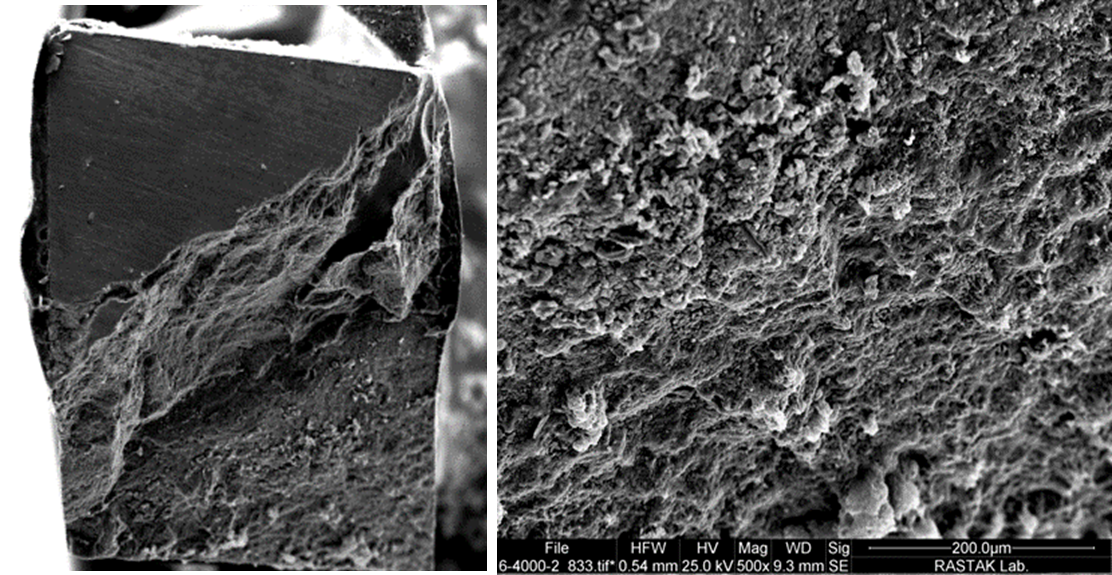
Additional specimens were prepared and examined by scanning electron microscopy (SEM; FEI Quanta 200, FEI company, Hillsboro, OR, USA) to evaluate the resin–dentin interface (Figures 1-3).
Figure 1. Adhesive failure in Adper Single Bond + Viscostat Clear subgroup (after 24 hours of storage in distilled water)
Figure 2. Cohesive failure in Adper Single Bond group (after 24 hours of storage in distilled water)
Figure 3. Mixed failure in All-Bond Universal + Viscostat Clear subgroup (after 24 hours of storage in distilled water
Sample size:
The sample size was calculated based on a study by Noppawong et al. [15] using the fixed effects ANOVA power analysis in PASS 11 software (α = 0.05, standard deviation of bond strength = 17 MPa). The analysis indicated that 10 specimens were required per group (total=120).
Specimen preparation:
Following debridement of the root surfaces with a periodontal curette, the teeth were immersed in 0.5% chloramine-T solution (KN, Tehran, Iran) for 24 hours for disinfection. The teeth were first examined under a stereomicroscope (SMZ-1500; Nikon, Osaka, Japan) at x40 magnification, and teeth exhibiting cracks or discoloration were excluded [13].
The occlusal enamel and superficial dentin were removed perpendicular to the longitudinal axis of the tooth using a low-speed diamond saw (Isomet, Buehler; Lake Bluff, IL, USA) with continuous water cooling [13]. The newly exposed dentin surfaces were then polished with 400- and 600-grit silicon carbide abrasive papers (3M ESPE, St. Paul, MN, USA) under water irrigation for 60 seconds [13]. Finally, to achieve a smooth and uniform surface, the specimens were cleaned in deionized water for 5 minutes in an ultrasonic cleaner (Euronda; Eurosonic 4D, Italy).
The specimens were randomly divided into two main groups according to the timing of bond strength testing and aging protocol (n = 60 per group). The operator performing the bonding procedure and the examiner who measured the bond strength were blinded to the group allocations.
In group 1, the μTBS was assessed after 24 hours of storage in distilled water; whereas, in group 2, the specimens were first subjected to thermocycling (c-300; Rika-Kogyo, Hachioji, Japan) before testing (10,000 cycles, 5°C–55°C, dwell time: 30 seconds, transfer time: 30 seconds) [14].
Each main group was then subdivided into six subgroups (n =10), based on the adhesive system and application of Viscostat Clear:
1. Adper Single Bond (3M, ESPE, St Paul, MN, USA)
2. Clearfil SE Bond (Kuraray, Osaka, Japan)
3. All-Bond Universal (Bisco, Schaumburg, IL, USA) in self-etch mode. In each subgroup, Viscostat Clear (Ultradent; South Jordan, UT, USA) was applied to half of the specimens. Viscostat Clear was applied on the dentin surface for 2 minutes and then rinsed for 30 seconds using high-pressure water/air spray.
Adhesives were then applied according to the manufacturers’ instructions. In the Adper Single Bond subgroup (etch-and-rinse adhesive), the specimens were etched with 35% phosphoric acid (Ultra-Etch; Ultradent, USA) for 15 seconds, then rinsed with water for 15 seconds, and air-dried. Two layers of Adper Single Bond were applied on the surface and after applying a gentle air spray for 5 seconds, the adhesive was cured for 10 seconds with a light-curing unit (Elipar S10; 3M ESPE, St. Paul, MN, USA) with a light intensity of 1100 mW/cm2. The device was held 1 mm perpendicular to the surface. The curing light intensity was verified with a radiometer before curing to ensure consistency [18].
In the Clearfil SE Bond subgroup (self-etch adhesive), the primer was applied on the dentin surface and allowed to remain for 20 seconds, then gently air-dried. The adhesive was then applied for 15 seconds and light-cured for 10 seconds with the same light curing unit (1100 mW/cm²) [15].
In the All-Bond Universal subgroup (in self-etch mode), adhesive was applied on the dentin surface in two separate layers. In each layer, the adhesive was rubbed on the dentin surface for 10 seconds, and then excess solvent was removed by air-drying for 10 seconds, then light-cured for 10 seconds with the same light curing unit (1100 mW/cm²).
A transparent mold (4×4 mm2) was positioned and stabilized on each bonded surface. Filtek Z250 composite resin (3M, ESPE, St Paul, MN, USA) was placed in two 2-mm increments, and each increment was light-cured for 20 seconds. The μTBS was measured in all specimens. Bonding durability in each group was evaluated by statistical analysis of the difference in μTBS between the measurements made after 24 hours of water storage and those obtained following accelerated aging via thermocycling.
Testing of μTBS:
For μTBS testing, the teeth were embedded in self-cure acrylic resin (Acropars, Tehran, Iran). Each tooth was then sequentially sectioned perpendicular to its longitudinal axis into rectangular rods with a 1 × 1 mm² cross-section under continuous water cooling using a Mecatome (Mecatome T201 A; Persi, France). The exact cross-sectional dimensions of each rod were confirmed with a caliper (Digimatic; Mitutoyo, Tokyo, Japan) with 0.002 mm accuracy. The µTBS of each specimen was measured using a microtensile tester (Microtensile Tester T-1010K; Bisco, USA) at a crosshead speed of 1 mm/min until failure.
The failure modes were assessed under an optical microscope (SMZ-1500; Nikon, Osaka, Japan) at ×10 and ×40 magnifications. Each specimen’s fracture was categorized as one of the following:
Cohesive failure: fracture occurring entirely within dentin or entirely within the composite resin
Adhesive failure: fracture at the dentin-resin (hybrid) interface
Mixed failure: simultaneous cohesive and adhesive failures
The number of specimens exhibiting each failure mode was counted, and the frequency percentage of each failure mode was calculated.
Additional specimens were prepared and examined by scanning electron microscopy (SEM; FEI Quanta 200, FEI company, Hillsboro, OR, USA) to evaluate the resin–dentin interface (Figures 1-3).
Figure 1. Adhesive failure in Adper Single Bond + Viscostat Clear subgroup (after 24 hours of storage in distilled water)
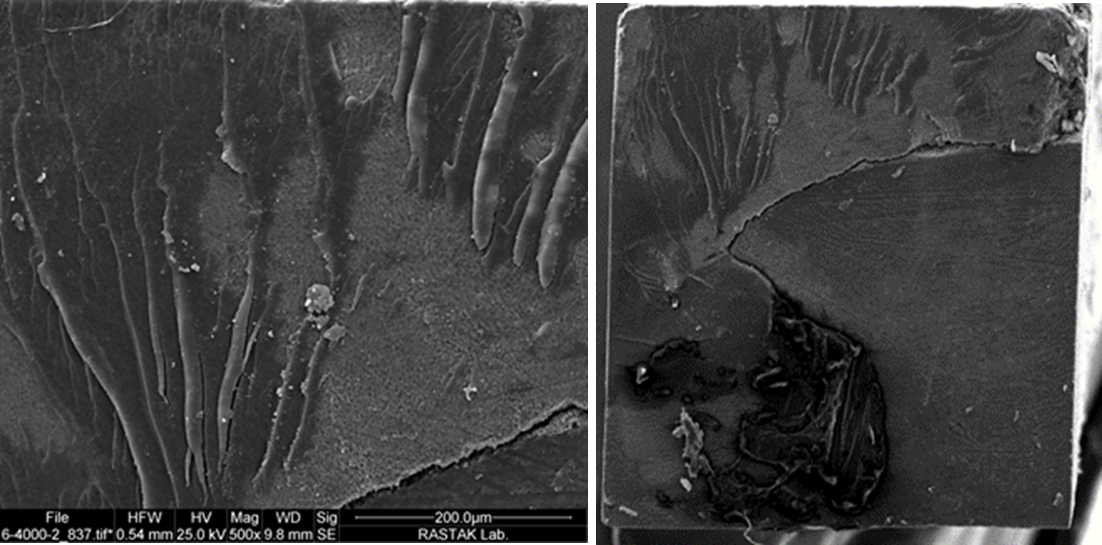
Figure 2. Cohesive failure in Adper Single Bond group (after 24 hours of storage in distilled water)
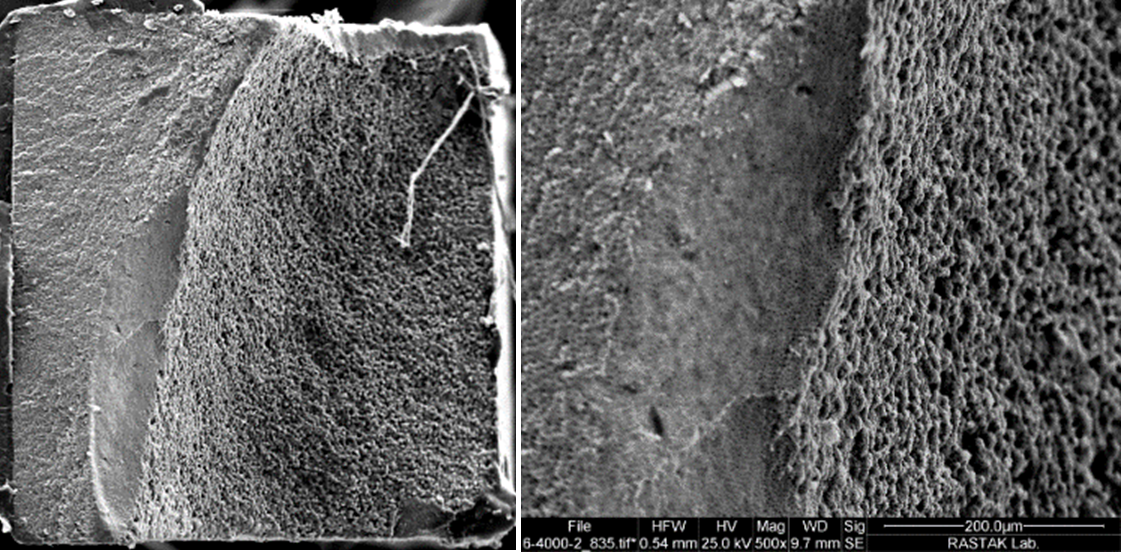
Figure 3. Mixed failure in All-Bond Universal + Viscostat Clear subgroup (after 24 hours of storage in distilled water
Statistical analysis:
Data were analyzed at a significance level of α=0.05. The normality of data distribution was confirmed with the Shapiro-Wilk test. A three-way fixed-effects ANOVA was used to assess the effects of Viscostat Clear hemostatic agent, aging (thermocycling), and adhesive type on μTBS. All statistical analyses were carried out using SPSS version 26. Post-hoc comparisons were performed with Tukey’s test (α = 0.05) to interpret interaction effects.
Results
Data were analyzed at a significance level of α=0.05. The normality of data distribution was confirmed with the Shapiro-Wilk test. A three-way fixed-effects ANOVA was used to assess the effects of Viscostat Clear hemostatic agent, aging (thermocycling), and adhesive type on μTBS. All statistical analyses were carried out using SPSS version 26. Post-hoc comparisons were performed with Tukey’s test (α = 0.05) to interpret interaction effects.
Results
The mean µTBS values for each experimental group are presented in Table 1. The highest mean µTBS was observed in the Adper Single Bond group without hemostatic agent after 24 hours of water storage (17.37±5.43 MPa). The lowest mean µTBS was seen in the All-Bond Universal group contaminated with Viscostat Clear and subjected to thermocycling (5.44±1.21 MPa).
Two-way ANOVA revealed significant main effects of adhesive type (P<0.001) and thermocycling (P<0.001) on µTBS. The main effect of ViscoStat Clear application was not significant (P=0.082).
A significant interaction was observed between adhesive type and thermocycling (P=0.014), indicating that the effect of thermocycling varied depending on the adhesive system. Other interactions, including adhesive × ViscoStat Clear and thermocycling × ViscoStat Clear, were not statistically significant (P>0.05).
According to the results of one-way ANOVA, in the subgroup without thermocycling (stored in distilled water for 24 hours) and without the application of ViscoStat Clear, a statistically significant difference in µTBS was observed among the three adhesive systems (P=0.000). The highest mean µTBS was found in the Adper Single Bond group (17.37 MPa), followed by the Clearfil SE Bond (16.41 MPa), and the lowest was recorded in the All-Bond Universal (8.48 MPa) group (Table 1).
Based on the Tukey HSD post-hoc test results, the µTBS in the All-Bond Universal group was significantly different from both Adper Single Bond (P=0.001) and Clearfil SE Bond (P=0.002) groups. However, there was no statistically significant difference between Adper Single Bond and Clearfil SE Bond (P=0.893) groups (Table 2).
In the subgroup without thermocycling and with the application of ViscoStat Clear, the highest mean µTBS was observed in the Adper Single Bond group (14.48 MPa), followed by All-Bond Universal (11.48 MPa) and Clearfil SE Bond (11.45 MPa). However, there was no statistically significant difference in µTBS among the three adhesive systems (P=0.290, Table 1).
In contrast, in the subgroup with thermocycling and without the application of ViscoStat Clear, ANOVA revealed a statistically significant difference in µTBS among the three adhesives (P=0.001). The highest mean µTBS was found in the Adper Single Bond (14.81 MPa), followed by the Clearfil SE Bond (10.31 MPa), and the lowest in the All-Bond Universal (6.42 MPa, Table 3).
According to one-way ANOVA, in the subgroup with thermocycling and with the application of ViscoStat Clear, a statistically significant difference in µTBS was observed among the three adhesive systems (P<0.001). The highest mean µTBS was found in the Clearfil SE Bond group (12.44 MPa), followed by Adper Single Bond (7.94 MPa), and All-Bond Universal (5.44 MPa).
Based on the Tukey’s HSD post-hoc test, the µTBS of Clearfil SE Bond was significantly different from both Adper Single Bond (P=0.011), and All-Bond Universal (P<0.001). However, there was no statistically significant difference between Adper Single Bond and All-Bond Universal (P=0.209, Table 4).
Two-way ANOVA revealed significant main effects of adhesive type (P<0.001) and thermocycling (P<0.001) on µTBS. The main effect of ViscoStat Clear application was not significant (P=0.082).
A significant interaction was observed between adhesive type and thermocycling (P=0.014), indicating that the effect of thermocycling varied depending on the adhesive system. Other interactions, including adhesive × ViscoStat Clear and thermocycling × ViscoStat Clear, were not statistically significant (P>0.05).
According to the results of one-way ANOVA, in the subgroup without thermocycling (stored in distilled water for 24 hours) and without the application of ViscoStat Clear, a statistically significant difference in µTBS was observed among the three adhesive systems (P=0.000). The highest mean µTBS was found in the Adper Single Bond group (17.37 MPa), followed by the Clearfil SE Bond (16.41 MPa), and the lowest was recorded in the All-Bond Universal (8.48 MPa) group (Table 1).
Based on the Tukey HSD post-hoc test results, the µTBS in the All-Bond Universal group was significantly different from both Adper Single Bond (P=0.001) and Clearfil SE Bond (P=0.002) groups. However, there was no statistically significant difference between Adper Single Bond and Clearfil SE Bond (P=0.893) groups (Table 2).
In the subgroup without thermocycling and with the application of ViscoStat Clear, the highest mean µTBS was observed in the Adper Single Bond group (14.48 MPa), followed by All-Bond Universal (11.48 MPa) and Clearfil SE Bond (11.45 MPa). However, there was no statistically significant difference in µTBS among the three adhesive systems (P=0.290, Table 1).
In contrast, in the subgroup with thermocycling and without the application of ViscoStat Clear, ANOVA revealed a statistically significant difference in µTBS among the three adhesives (P=0.001). The highest mean µTBS was found in the Adper Single Bond (14.81 MPa), followed by the Clearfil SE Bond (10.31 MPa), and the lowest in the All-Bond Universal (6.42 MPa, Table 3).
According to one-way ANOVA, in the subgroup with thermocycling and with the application of ViscoStat Clear, a statistically significant difference in µTBS was observed among the three adhesive systems (P<0.001). The highest mean µTBS was found in the Clearfil SE Bond group (12.44 MPa), followed by Adper Single Bond (7.94 MPa), and All-Bond Universal (5.44 MPa).
Based on the Tukey’s HSD post-hoc test, the µTBS of Clearfil SE Bond was significantly different from both Adper Single Bond (P=0.011), and All-Bond Universal (P<0.001). However, there was no statistically significant difference between Adper Single Bond and All-Bond Universal (P=0.209, Table 4).
Table 1. Descriptive statistics of µTBS values after 24 hours of storage in distilled water and also after thermocycling
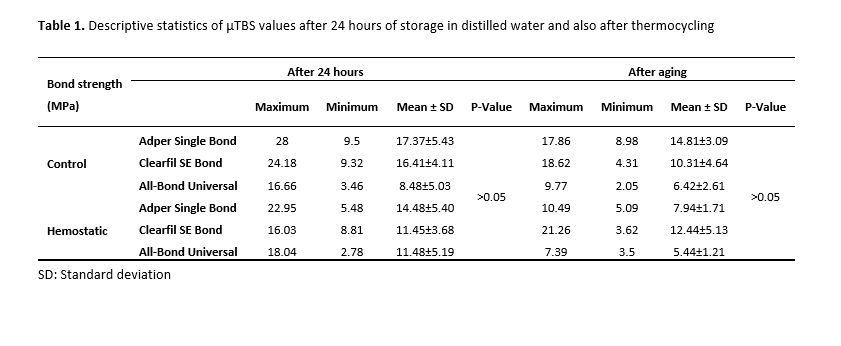
Table 2. Comparison of µTBS (MPa) between the adhesive systems after 24 hours of storage in distilled water and without the application of ViscoStat Clear
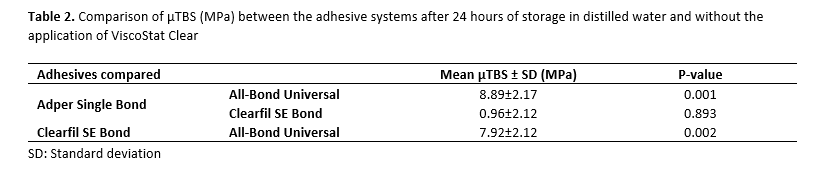
Table 3. Comparison of µTBS (MPa) between the adhesive systems after thermocycling and without the application of ViscoStat Clear

Table 4. Comparison of µTBS (MPa) between the adhesive systems after thermocycling and application of Viscostat Clear

Effect of ViscoStat Clear application within each adhesive system:
For all three adhesive systems (Adper Single Bond, All-Bond Universal, and Clearfil SE Bond), when µTBS was measured after 24 hours of storage in distilled water, the use or omission of ViscoStat Clear did not result in any statistically significant difference in µTBS (P>0.05). However, when µTBS was measured after thermocycling, the Adper Single Bond group showed a statistically significant difference between specimens with and without ViscoStat Clear (P=0.000), with a notable reduction in µTBS in the group treated with ViscoStat Clear.
In contrast, for the other two adhesive systems (Clearfil SE Bond and All-Bond Universal), the application of ViscoStat Clear did not result in a statistically significant difference in µTBS after thermocycling (P>0.05).
Effect of thermocycling on µTBS of different adhesive systems:
In the Adper Single Bond group without the use of Viscostat Clear, the thermocycling µTBS and the 24-hour µTBS did not show a statistically significant difference (P=0.230). However, when Adper Single Bond was used after Viscostat Clear, the µTBS values decreased in the thermocycled groups (P=0.002).
In the Clearfil SE Bond group without the use of Viscostat Clear, the µTBS values decreased after thermocycling compared to 24-hour µTBS (P=0.005). However, when Clearfil SE Bond was used after Viscostat Clear, there was no statistically significant difference between the thermocycling and the 24-hour µTBS (P=0.626). In the All-Bond Universal group, when Viscostat Clear was used, the µTBS of the thermocycled groups decreased compared to the samples stored in distilled water (P=0.002). However, in the control group (without the use of Viscostat Clear), the µTBS of the thermocycled groups and those stored for 24 hours showed no significant difference (P=0.265). In total, thermocycling (P<0.001) significantly affected the bond strength values of some adhesive systems, with the type of adhesive (P<0.001) playing an important role.
Adhesive failure was the predominant failure mode.
SEM images further supported these findings, showing shorter and sparser resin tags along with disrupted hybrid layer formation in contaminated and thermocycled specimens.
Discussion
This study aimed to evaluate the effect of a hemostatic agent on µTBS and durability of three adhesive systems — Adper Single Bond, Clearfil SE Bond, and All-Bond Universal — after 24 hours of storage in distilled water and following thermocycling. In many clinical situations, such as subgingival margins, placement of indirect restorations, or in patients with limited mouth opening, achieving a clean and moisture-free environment for optimal bonding can be challenging [16]. Hemostatic agents are commonly used to control bleeding and gingival crevicular fluid in the gingival sulcus [17]. However, most hemostatic agents are hydrophilic and acidic, and contamination of bonding surfaces with these agents can negatively affect the bond strength [8]. The type of hemostatic agent used and the cleaning protocol following its application can have a significant impact on shear bond strength [17]. According to Abu-Nawareg et al. [17], ferric sulfate (20%) in ViscoStat resulted in a more significant reduction in shear bond strength than Viscostat Clear. In the present study, Viscostat Clear (25% aluminum chloride, Ultradent) was used as the hemostatic agent, with a pH of less than 1 at 20°C. Its low pH may synergize with the mildly acidic nature of All-Bond Universal (pH=3.2); thereby, enhancing its initial bond strength (24-hour storage), although this increase was not statistically significant. In this study, three adhesive systems -Adper Single Bond (etch-and-rinse), Clearfil SE Bond (self-etch), and All-Bond Universal (used in self-etch mode)-were evaluated. The results showed that both the type of adhesive and thermocycling significantly influenced the µTBS values. Similarly, Hoorizad et al. [18] reported that the type of adhesive system had a significant impact on micro-shear bond strength. In the present study, the highest mean µTBS was in the Adper Single Bond without hemostatic agent after 24 hours of storage in distilled water, with a value of 17.37±5.43 MPa. The lowest value was observed in All-Bond Universal after the use of ViscoStat clear and following thermocycling, with a bond strength of 5.44±1.21MPa. All-Bond Universal, with a pH of 3.2, belongs to the class of mild self-etch adhesives. These systems are unable to completely remove the smear layer due to their weak acidic monomers, and therefore cannot adequately clean aluminum-containing contaminants from the dentin surface. Consequently, contamination is a more critical issue for self-etch systems compared to etch-and-rinse adhesives [19, 20]. Kim et al. [21] also reported that when All-Bond Universal was applied in self-etch mode, its shear bond strength was significantly lower than when used in the etch-and-rinse mode. Therefore, it is recommended that if All-Bond Universal is used after contamination with a hemostatic agent, it should be applied in etch-and-rinse mode [21]. Noppawong et al. [15] found that Single Bond Universal and OptiBond Universal, when applied using the etch-and-rinse technique, were not significantly affected by hemostatic agents, and exhibited higher µTBS values compared to their self-etch counterparts. This highlights the importance of thoroughly cleaning the dentin surface when using universal adhesives [22]. O’Keefe et al. [22] also demonstrated that rinsing ferric sulfate or aluminum chloride with water before adhesive application significantly improved the bond strength in self-etch systems compared to no rinsing. Similar to the current study, Jha et al. [16] found that Adper Single Bond 2, when contaminated with ViscoStat Clear and artificial saliva, yielded higher shear bond strength values than Clearfil Liner Bond Universal and Single Bond Universal. Therefore, Adper Single Bond may be preferable in clinical situations where contamination and difficulty in isolation are likely [16]. This may be attributed to the use of phosphoric acid before Adper Single Bond, which can demineralize dentin, remove the smear layer, and improve micromechanical retention [23]. In the present study, the use of ViscoStat Clear did not significantly affect the µTBS of any of the three adhesives after 24 hours. This result is in agreement with the findings of Kim et al. [21], who reported no statistically significant difference in shear bond strength of All-Bond Universal and Clearfil SE Bond with Traxodent. Likewise, Hoorizad et al. [18] found that although Astringedent reduced the bond strength after both 24 hours and 3 months, the difference was not statistically significant. In contrast, Khamverdi et al. [24] found that in all subgroups using G-Premio Bond and Single Bond Universal, the control groups showed significantly higher bond strength than those contaminated with aluminum chloride or ferric sulfate. Ulusoy et al. [13] also reported reduced bond strength in groups contaminated with either blood or Ankaferd Blood Stopper, with the latter showing slightly better results than blood, but still lower than the control. These results suggest that Ankaferd Blood Stopper may be beneficial following blood contamination during restorative procedures. Similarly, Arslan et al. [25] reported a significant decrease in bond strength in groups contaminated with Ankaferd Blood Stopper when using both total-etch and self-etch adhesives. The discrepancies between these studies and our results may be due to differences in methodology, adhesive systems, type of hemostatic agent, sample preparation, and bond strength testing protocols. In the Adper Single Bond group, the use of ViscoStat Clear followed by thermocycling resulted in a significant decrease in µTBS, unlike the other two adhesives. The low pH of hemostatic agents is necessary for their efficacy [26], but prolonged contact can adversely affect peritubular dentin quality [8] and hybrid layer integrity [27]. Application of aluminum chloride on dentin can lead to replacement of calcium in hydroxyapatite with aluminum, forming Al (OH) ₂H₂PO₄, which may inhibit demineralization and increase dentin resistance to phosphoric acid. This may reduce monomer infiltration and ultimately the bond strength [28]. This may also be attributed to residual, unbound aluminum deposits on dentin surfaces [7]. Interestingly, Clearfil SE Bond and All-Bond Universal demonstrated relatively stable performance after aging, regardless of contamination. One plausible explanation lies in the presence of functional monomers like 10-MDP in both systems. These monomers are known to chemically bond to calcium in hydroxyapatite, and may provide enhanced resistance to substrate irregularities or contaminants [29]. The findings demonstrated that while Viscostat Clear had no statistically significant impact on immediate bond strength, its effect on long-term durability—particularly after thermocycling—was adhesive-system depenent.
Adhesive failure was the predominant failure mode observed in the present study, in line with the results of Ulusoy et al. [13], Arslan et al. [25], and Ebrahimi et al. [30]. SEM analysis revealed shorter, less defined resin tags and a disrupted hybrid layer in specimens treated with ViscoStat Clear and subjected to thermocycling. These findings emphasize the importance of material selection and contamination control during adhesive procedures. Although the use of Viscostat Clear may be clinically necessary in certain situations, it should always be followed by meticulous rinsing. In circumstances where complete removal of the contaminant cannot be confidently ensured, it is preferable to utilize adhesives with greater tolerance to contamination, such as Adper Single Bond. Moreover, in clinical scenarios where the bonding substrate is predominantly dentin with limited enamel availability, Clearfil SE Bond demonstrates favorable long-term bonding performance. Additionally, it is strongly recommended that when hemostatic agents are applied prior to the use of All-Bond Universal, the adhesive should be employed using an etch-and-rinse protocol to optimize bonding outcomes.
Conclusion
Adhesive failure was the predominant failure mode observed in the present study, in line with the results of Ulusoy et al. [13], Arslan et al. [25], and Ebrahimi et al. [30]. SEM analysis revealed shorter, less defined resin tags and a disrupted hybrid layer in specimens treated with ViscoStat Clear and subjected to thermocycling. These findings emphasize the importance of material selection and contamination control during adhesive procedures. Although the use of Viscostat Clear may be clinically necessary in certain situations, it should always be followed by meticulous rinsing. In circumstances where complete removal of the contaminant cannot be confidently ensured, it is preferable to utilize adhesives with greater tolerance to contamination, such as Adper Single Bond. Moreover, in clinical scenarios where the bonding substrate is predominantly dentin with limited enamel availability, Clearfil SE Bond demonstrates favorable long-term bonding performance. Additionally, it is strongly recommended that when hemostatic agents are applied prior to the use of All-Bond Universal, the adhesive should be employed using an etch-and-rinse protocol to optimize bonding outcomes.
Conclusion
The findings of this study demonstrated that both the type of adhesive system and the time point of bond strength evaluation significantly affected the µTBS values. The application of Viscostat Clear did not significantly alter the µTBS after 24 hours of water storage. However, following thermocycling, its application led to a significant reduction in µTBS in the Adper Single Bond group unlike the other two adhesive systems. These results highlight the critical importance of contamination control strategies in improving the long-term durability of adhesive restorations and achieving better clinical outcomes.
Type of Study: Original article |
Subject:
Restorative Dentistry
References
1. FanChiang YS, Chou PC, Hsiao YW, Cheng YH, Huang Y, Chiu YC, et al. Optimizing dental bond strength: insights from comprehensive literature review and future implications for clinical practice. Biomedicines. 2023 Nov;11(11):2995. [DOI:10.3390/biomedicines11112995] [PMID] [PMCID]
2. Mempel C, Jacker-Guhr S, Lührs AK. Contamination of dentin with hemostatic agents -is EDTA a valuable decontaminant before using a self-etch universal adhesive? J Adhes Dent. 2022 Sep;24:345-54.
3. Tabassum S, Adnan S, Khan FR. Gingival retraction methods: a systematic review. J Prosthodont. 2017 Dec;26(8):637-43. [DOI:10.1111/jopr.12522] [PMID]
4. Pucci CR, Araújo RM, Lacerda AJ, Souza MA, Huhtala MF, Feitosa FA. Effects of contamination by hemostatic agents and use of cleaning agent on etch-and-rinse dentin bond strength. Braz Dent J. 2016;27:688-92. [DOI:10.1590/0103-6440201600685] [PMID]
5. Saati K, Tabatabaei SF, Etemadian D, Sadaghiani M. Effect of different cleansing protocols on bond strength of composite resin to dentin contaminated with hemostatic agent: an in vitro study. Front Dent. 2020 Dec;17:31. [DOI:10.18502/fid.v17i31.4861] [PMID] [PMCID]
6. Nouri S, Sharif MR, Panahi Y, Ghanei M, Jamali B. Efficacy and safety of aluminum chloride in controlling external hemorrhage: an animal model study. Iran Red Crescent Med J. 2015 Mar;17(3):e19714. [DOI:10.5812/ircmj.19714]
7. Ajami AA, Kahnamoii MA, Kimyai S, Oskoee SS, Pournaghi-Azar F, Bahari M, et al. Effect of three different contamination removal methods on bond strength of a self-etching adhesive to dentin contaminated with an aluminum chloride hemostatic agent. J Contemp Dent Pract. 2013 Jan;14(1):26-33. [DOI:10.5005/jp-journals-10024-1264] [PMID]
8. Gao Y, Lv X, Gao X, Liu Y, Liu YQ. Effect of two hemostatic agents on the bonding strength of total-etch and self-etch adhesive systems in primary tooth dentin. J Prev Treat Stomatol Dis. 2021;29(9):591-5.
9. Chaiyabutr Y, Kois J. The effect of tooth-preparation cleansing protocol on the bond strength of self-adhesive resin cement to dentin contaminated with a hemostatic agent. Oper Dent. 2011 Jan;36(1):18-26. [DOI:10.2341/09-308-LR1] [PMID]
10. Tarighi P, Khoroushi M. A review on common chemical hemostatic agents in restorative dentistry. Dent Res J (Isfahan). 2014 Jul;11(4):423-30.
11. Bourgi R, Kharouf N, Cuevas-Suárez CE, Lukomska-Szymanska M, Haikel Y, Hardan L. A literature review of adhesive systems in dentistry: key components and their clinical applications. Appl Sci. 2024 Sep;14(18):8111. [DOI:10.3390/app14188111]
12. Carvalho RM, Manso AP, Geraldeli S, Tay FR, Pashley DH. Durability of bonds and clinical success of adhesive restorations. Dent Mater. 2012 Jan;28(1):72-86. [DOI:10.1016/j.dental.2011.09.011] [PMID] [PMCID]
13. Ulusoy A, Bayrak S, Tunc E, Tuzuner T. Effect of new haemostatic agent on microtensile bond strength of two adhesive systems to dentin. Mater Res Innov. 2011 Oct;15(5):330-4.
14. Morresi AL, D'Amario M, Capogreco M, Gatto R, Marzo G, D'Arcangelo C, et al. Thermal cycling for restorative materials: does a standardized protocol exist in laboratory testing? A literature review. J Mech Behav Biomed Mater. 2014 Jan;29:295-308. [DOI:10.1016/j.jmbbm.2013.09.013] [PMID]
15. Noppawong S, Pratabsingha J, Thamsoonthorn C, Vichathai W, Saikaew P. Bond strengths of universal adhesives to dentin contaminated with a hemostatic agent. J Adhes Dent. 2022 Nov;24(1):421-6.
16. Jha M, Kumar A, Telang A, Kumari P, Verma G, Bharti K. Evaluation of the effect of different contaminants on the shear bond strength of different adhesive systems-an in vitro study. J Pharm Bioall Sci. 2024 Dec;16(Suppl 4):S3598-600. [DOI:10.4103/jpbs.jpbs_1056_24] [PMID] [PMCID]
17. Abu-Nawareg MM, Hajjaj MS, AbuHaimed TS, Ajaj RA, Abuljadayel R, AlNowailaty Y, et al. The effect of hemostatic agents and dentin cleansing protocols on shear bond strength of resin composite using universal adhesive: an in vitro study. BMC Oral Health. 2024 Nov;24(1):1413. [DOI:10.1186/s12903-024-05125-5] [PMID] [PMCID]
18. Hoorizad M, Heshmat H, Hosseini TA, Kazemi SS, Tabatabaei SF. Effect of hemostatic agent on microshear bond strength of total-etch and self-etch adhesive systems. Dent Res J (Isfahan). 2019 Nov;16(6):361-9. [DOI:10.4103/1735-3327.270781] [PMID] [PMCID]
19. Bracher L, Özcan M. Adhesion of resin composite to enamel and dentin: a methodological assessment. J Adhes Sci Technol. 2018 Feb;32(3):258-71. [DOI:10.1080/01694243.2017.1354494]
20. de Oliveira Bernades K, Hilgert LA, Ribeiro APD, Garcia FCP, Pereira PNR. The influence of hemostatic agents on dentin and enamel surfaces and dental bonding: a systematic review. J Am Dent Assoc. 2014 Nov;145(11):1120-7. [DOI:10.14219/jada.2014.84] [PMID]
21. Kim S, Choi Y, Park S. Effect of an aluminum chloride hemostatic agent on the dentin shear bond strength of a universal adhesive. Restor Dent Endod. 2023 Mar;48(2):e14. [DOI:10.5395/rde.2023.48.e14] [PMID] [PMCID]
22. O'Keefe KL, Pinzon LM, Rivera B, Powers JM. Bond strength of composite to astringent-contaminated dentin using self-etching adhesives. Am J Dent. 2005 Jun;18(3):168-72.
23. Catel Y, Degrange M, Pluart LL, Madec PJ, Pham TN, Chen F, et al. Synthesis, photopolymerization, and adhesive properties of new bisphosphonic acid monomers for dental application. J Polym Sci A Polym Chem. 2009 Oct;47:5258-71. [DOI:10.1002/pola.23575]
24. Khamverdi Z, Karimian N, Farhadian M, Gheitouli H. Effect of contamination with hemostatic agent on shear bond strength of composite to dentin using G-Premio and Single Bond Universal adhesives. Front Dent. 2021 Jul;18:27. [DOI:10.18502/fid.v18i27.6937]
25. Arslan S, Ertaş H, Zorba YO. Influence of Ankaferd Blood Stopper on shear bond strength of bonding systems. Dent Mater J. 2012;31(2):226-31. [DOI:10.4012/dmj.2011-193] [PMID]
26. Ahmed SN, Donovan TE. Gingival displacement: survey results of dentists' practice procedures. J Prosthet Dent. 2015 Jul;114(1):81-5. [DOI:10.1016/j.prosdent.2014.11.015] [PMID]
27. Gungor AY, Alkış H, Turkkahraman H. Effects of contamination by either blood or a hemostatic agent on the shear bond strength of orthodontic buttons. Korean J Orthod.2013 Apr;43(2):96-100.
28. Xu X, Chen Q, Lederer A, Bernau C, Lai G, Kaisarly D, et al. Shear bond strength of two adhesives to bovine dentin contaminated with various astringents. Am J Dent. 2015 Aug;28(4):229-34.
29. Kim MJ, Kim J, Song JS, Chung SH, Hyun HK. Shear bond strength of different MDP- containing adhesive systems on enamel and dentin from primary teeth. J Clin Pediatr Dent. 2021 Jul;45(3):186-92. [DOI:10.17796/1053-4625-45.3.7] [PMID]
30. Ebrahimi SF, Shadman N, Abrishami A. Effect of ferric sulfate contamination on the bonding effectiveness of etch-and-rinse and self-etch adhesives to superficial dentin. J Conserv Dent. 2013 Mar;16(2):126-30. [DOI:10.4103/0972-0707.108190] [PMID] [PMCID]
Send email to the article author
| Rights and permissions | |
 |
This work is licensed under a Creative Commons Attribution-NonCommercial 4.0 International License. |