
Journal of Research in Dental
and Maxillofacial Sciences

Volume 11, Issue 3 (9-2026)
J Res Dent Maxillofac Sci 2026, 11(3): 174-184 |
Back to browse issues page

Ethics code: 3


Download citation:
BibTeX | RIS | EndNote | Medlars | ProCite | Reference Manager | RefWorks
Send citation to:


BibTeX | RIS | EndNote | Medlars | ProCite | Reference Manager | RefWorks
Send citation to:
Gadiock K S, Kannan K P, Girija A, Priyadharsini J V. Assessment of vicK Gene Expression by the Clinical Isolates of Streptococcus mutans Treated with Acetaminophen. J Res Dent Maxillofac Sci 2026; 11 (3) :174-184
URL: http://jrdms.dentaliau.ac.ir/article-1-874-en.html
URL: http://jrdms.dentaliau.ac.ir/article-1-874-en.html
Karanveer Singh Gadiock1 
 , Kannika Parameshwari Kannan1 , A.S.Smiline Girija *2 , Vijayashree Priyadharsini J1
, Kannika Parameshwari Kannan1 , A.S.Smiline Girija *2 , Vijayashree Priyadharsini J1
1- Department of Microbiology, Saveetha Dental College and Hospitals, Saveetha Institute of Medical and Technical Sciences (SIMATS), Saveetha University, Chennai
2- Department of Microbiology, Saveetha Dental College and Hospitals, Saveetha Institute of Medical and Technical Sciences (SIMATS), Saveetha University, Chennai ,smilinejames25@gmail.com
2- Department of Microbiology, Saveetha Dental College and Hospitals, Saveetha Institute of Medical and Technical Sciences (SIMATS), Saveetha University, Chennai ,
Full-Text [PDF 534 kb]
(8 Downloads)
| Abstract (HTML) (16 Views)
Introduction
Full-Text: (2 Views)
Abstract
Background and Aim: Streptococcus mutans (S. mutans), a primary pathogen in dental caries, forms biofilm and is increasingly resistant to antibiotics. This study aimed to assess the antimicrobial and antibiofilm effects of acetaminophen on S. mutans clinical isolates and its impact on vicK gene expression.
Materials and Methods: In this cross-sectional study, S. mutans was isolated from dental carious lesions of 43 patients, characterized, followed by antibiotic susceptibility testing. Acetaminophen's antibacterial activity was evaluated through agar well diffusion, minimum inhibitory concentration (MIC), minimum bactericidal concentration (MBC), and biofilm inhibition assays. vicK gene expression was quantified by reverse-transcription polymerase chain reaction (RT-PCR). Data were analyzed using Student's t-test (alpha=0.05).
Results: S. mutans was isolated from 53.49% of patients, with 17.39% exhibiting multidrug resistance. Acetaminophen showed significant antimicrobial activity with a zone of inhibition of 21 ± 1.52 mm, and MIC and MBC values of 250 µg/mL and 300 µg/mL, respectively. Acetaminophen inhibited biofilm formation and reduced vicK gene expression (fold change 0.668 vs. 1.018 in controls, P<0.05).
Conclusion: Acetaminophen demonstrated significant antimicrobial and antibiofilm effects on S. mutans, along with a notable down-regulation of the vicK gene, which is crucial for biofilm formation. These findings suggest that acetaminophen could be repurposed as a potential therapeutic agent for managing oral infections, particularly those caused by resistant S. mutans strains. Further clinical trials are warranted to explore its efficacy and safety in vivo.
Keywords: Acetaminophen; Dental Caries; Oral Health; Streptococcus mutans
Materials and Methods: In this cross-sectional study, S. mutans was isolated from dental carious lesions of 43 patients, characterized, followed by antibiotic susceptibility testing. Acetaminophen's antibacterial activity was evaluated through agar well diffusion, minimum inhibitory concentration (MIC), minimum bactericidal concentration (MBC), and biofilm inhibition assays. vicK gene expression was quantified by reverse-transcription polymerase chain reaction (RT-PCR). Data were analyzed using Student's t-test (alpha=0.05).
Results: S. mutans was isolated from 53.49% of patients, with 17.39% exhibiting multidrug resistance. Acetaminophen showed significant antimicrobial activity with a zone of inhibition of 21 ± 1.52 mm, and MIC and MBC values of 250 µg/mL and 300 µg/mL, respectively. Acetaminophen inhibited biofilm formation and reduced vicK gene expression (fold change 0.668 vs. 1.018 in controls, P<0.05).
Conclusion: Acetaminophen demonstrated significant antimicrobial and antibiofilm effects on S. mutans, along with a notable down-regulation of the vicK gene, which is crucial for biofilm formation. These findings suggest that acetaminophen could be repurposed as a potential therapeutic agent for managing oral infections, particularly those caused by resistant S. mutans strains. Further clinical trials are warranted to explore its efficacy and safety in vivo.
Keywords: Acetaminophen; Dental Caries; Oral Health; Streptococcus mutans
Introduction
Dental caries and periodontal diseases are considered as the most frequent bacterial infections in humans due to the rise of sedentary lifestyles and unhealthy eating habits [1]. Pathogenic mechanisms behind these oro-dental infections include the formation of biofilm on dental surfaces and associated structures [2]. This enables the bacteria to survive in the harsh oral niches and to further progress into caries. Significant research conducted over the past few decades has shed light on the association between Streptococcus mutans (S. mutans) and dental caries [3], in concert with the associated host factors involved in caries progression [4]. Among many pathogenic mechanisms, the main mechanism of action of S. mutans is due to its ability to synthesize extracellular polysaccharide matrix [5], which transforms the pathogen into a primary colonizer. This will further aid the secondary colonizers to adhere and strongly build biofilm layers, making the lesions highly invasive [6]. Apart from biofilm formation, the propensity of antimicrobial resistance over the past few years has also been steadily increasing, complicating the treatment scenario [7]. The drug resistance profile of S. mutans against multiple classes of antibiotics has been widely reported, warranting more evidence-based studies on resistant profiles [8]. The main mode of drug resistance in S. mutans arises from the efflux pump-based mechanisms [9]. In oral streptococci, resistance to penicillin is frequent, with a prevalence of approximately 47.8%, while multi-drug resistance has a prevalence of 31.9% [10]. The vicK gene-based pathogenesis in S. mutans has also sparked renewed interest in recent decades. This gene contributes to the modulation of biofilm adherence and disease progression. VicRK, frequently referred to as WalRK or YycFG, is a signaling system that is conserved in low-GC Gram-positive bacteria, and functions as a conductor, regulating essential cellular processes such as cell division and cell wall building, and maintaining a steady internal environment [11]. The VicRKX system acts as a medium for cellular communications, and vicK acts as a sensor, picking up external and internal cellular signals. These signals are further forwarded to VicR, the central regulator, towards the quorum sensing effect of biofilms. All these signaling processes are mediated by a hypothetical enzyme VicX, which modifies the cellular functions of S. mutans traits in the oral cavity [12]. Thus, considering the pathogenesis of S. mutans, there is a need of the hour to design suitable alternative strategies to combat S. mutans and its associated infections in the oral cavity. In routine practice and other evidence-based reports, various synthetic and natural sources have been proposed to combat cariogenic microorganisms [13]. In this line, drug repurposing has recently evolved as a unique paradigm to identify newer antibacterial medicines as a result of failure of the conventional antimicrobial agents of choice. Various studies have been conducted on the repurposing of drugs administered for cancer [14], diabetes [15], or hypertension [16], among others. In this line, acetaminophen, frequently referred to as paracetamol or N-acetyl-p-aminophenol, is a widely utilized medicine. It is an effective pain reliever and an antipyretic medication, and is compatible at therapeutic doses for all age groups [17]. Earlier studies evaluated repurposing acetaminophen for treatment of COVID-19 [18], acute liver failure, traumatic brain injury [19], and dengue virus [20], and also as an antibacterial agent [21]. Furthermore, acetaminophen has demonstrated antibacterial activity against various pathogens, including Pseudomonas aeruginosa, Escherichia coli, Staphylococcus aureus, and Klebsiella pneumoniae [22]. Additionally, its antibacterial and antibiofilm efficacy against Pseudomonas aeruginosa and Staphylococcus epidermidis have been documented [23]. These findings highlight the potential of acetaminophen as a viable candidate for repurposing in the management of bacterial infections, including those caused by S. mutans.
With this literature background, the present study was undertaken as the first of its kind to evaluate the antimicrobial effect of acetaminophen against the clinical isolates of S. mutans isolated from patients with dental caries. Additionally, the frequency of the vicK gene was analyzed with gene expression analysis upon treatment with acetaminophen by reverse-transcription polymerase chain reaction (RT-PCR).
Materials and Methods
With this literature background, the present study was undertaken as the first of its kind to evaluate the antimicrobial effect of acetaminophen against the clinical isolates of S. mutans isolated from patients with dental caries. Additionally, the frequency of the vicK gene was analyzed with gene expression analysis upon treatment with acetaminophen by reverse-transcription polymerase chain reaction (RT-PCR).
Materials and Methods
Study setting and isolation of S. mutans from carious lesions:
This cross-sectional experimental study involved patients with dental caries (n=43) presenting to the Department of Endodontics, Saveetha Dental College and Hospitals, aged between 21 to 56 years. The sample size (n = 43) was determined based on patient recruitment feasibility and resource availability. A post hoc power analysis with an effect size of 0.5 and significance level of 0.05 showed a study power of 80%, indicating that the sample size was adequate for the study. The clinical assessments, grading, and the decayed, missing, and filled teeth scores were evaluated by an endodontist. Institutional ethical clearance and consents were obtained prior to the onset of the study (SRB/SDC/UG-2292/24/MICRO). Scrapings from the carious lesions were excavated using a sterile excavator and collected in sterile trypticase soy broth (Himedia Mumbai, India), which was immediately transferred to a microbiology laboratory according to the protocol described by Tamanna et al [3]. The samples were inoculated onto sterile mutans sanguis agar (MSA; Himedia Mumbai, India) and incubated at 37ºC for 24–48 hours. After incubation, the colonies were examined for their morphology and further confirmed by Gram staining. Phenotypic characterization assays were performed, including catalase test, motility test, hemolysis on sheep blood agar, Voges-Proskauer test, and fermentation tests for sucrose, maltose, lactose, mannose, ribose, xylose, mannitol, and inositol. Additional assays included esculin hydrolysis, arginine hydrolysis, and alkaline phosphatase tests; all biochemicals were procured from Himedia Mumbai, India.
Antibiogram profiling: The antibiotic susceptibility profile for assessing the susceptible and resistant strains was done using the standard Kirby-Bauer method (disc diffusion method) [24]. Fresh broth suspensions (turbidity equivalent to 0.5 McFarland standard) were made as lawn cultures using sterile swabs onto the sterile blood agar (Himedia Mumbai, India). The selection of antibiotics was done as per the CLSI guidelines (2023) [25] that included 10 units penicillin-G, 10 μg ampicillin, 30 μg cefotaxime, 15 μg erythromycin, 30 μg tetracycline, 5 μg levofloxacin, 30 μg chloramphenicol, 2 μg clindamycin, 30 μg linezolid, and 30 μg vancomycin (Himedia, Mumbai, India). The plates were incubated for 24 hours at 37°C, and after incubation, the antibiogram was evaluated based on the measures of the zone of inhibition. The resistant strains were labeled and further subjected for the bioassays.
Antibacterial activity of acetaminophen for repurposing against resistant S. mutans: Acetaminophen purchased from Merck, India was dissolved in sterile double-distilled water. The antibacterial activity was evaluated using the agar well diffusion method [26]. Briefly, 100 μL of fresh 4-hour broth suspension (adjusted to 0.5 McFarland Standard) containing 108 colony-forming units/milliliter (CFUs/mL) of S. mutans was made as lawn cultures onto the sterile MSA agar plates. Wells with a diameter of 5 mm were made onto the surface of the agar plates using an agar puncture, and 50 μL of the sample was added using a micropipette. The plates were incubated at 37°C for 24 hours, and the zone of clearance was measured and recorded. The bioassay was performed in triplicate for statistical analysis of the mean values.
Determination of minimum inhibitory concentration (MIC) and minimum bactericidal concentration (MBC) values for acetaminophen against S. mutans: MIC and MBC were determined by the microbroth dilution method [27]. The bacterial suspension was adjusted to approximately 108 CFUs/mL in sterile trypticase soy broth. Acetaminophen was diluted in sterile double-distilled water to achieve a final concentration of 300, 250, 150, 75, and 37.5 mg/mL. Each well of a 96-well microtiter plate received 100 µL of the sample with 100 µL of the broth suspension, and the plate was incubated at 37°C for 24 hours. The MIC was identified as the lowest acetaminophen concentration that showed the lowest bacterial growth after incubation. The MBC value was determined by sub-culturing the samples from each well onto sterile MSA agar plate and incubation for 24-48 hours. The dilution showing zero growth was recorded as the MBC value.
Anti-biofilm property of acetaminophen against S. mutans: The inhibitory effect of acetaminophen on S. mutans biofilm formation was evaluated following the method reported by Kannan and As [28]. Briefly, acetaminophen was dissolved at a concentration of 600 mg in sterile trypticase soy broth supplemented with 1% (w/v) sucrose (Sigma-Aldrich, USA). Sterile teeth were chosen for the biofilm model, where the teeth (n=10) were exposed to S. mutans broth for 72 hours along with the diluted acetaminophen solution with incubation at 37°C in an incubator (treatment group). Control teeth were prepared with only S. mutans and without acetaminophen. After incubation, the loosely adhered planktonic bacteria were gently removed from the tooth surface by gentle agitation in an ultrasonicator in both the control and treatment groups. Swabs were taken from each group and streaked onto MSA plates, which were subsequently incubated aerobically at 37°C for 18 to 24 hours, and the reduction in colonies was enumerated and recorded as CFUs/mL.
Molecular characterization of vicK gene in S. mutans:
Extraction of genomic DNA and PCR to detect vicK gene: Genomic DNA was isolated from an overnight culture of S. mutans grown in tryptic soy broth as per the manufacturer’s instructions (Qiagen DNA extraction kit). For the PCR reaction, a 25 μL mixture was prepared for each strain, which included 12.5 μL of Takara (2X) master mix, 5.6 μL of double-distilled water, and specific primers for the vicK gene obtained from Eurofins Genomic India Pvt Ltd, Bangalore. The PCR conditions are reported in Table 1, and the resulting amplicons were identified through electrophoresis using a 1.5% agarose gel in 0.5 Tris-borate-EDTA, stained with ethidium bromide solution [29].
Gene expression analysis of vicK upon treatment with acetaminophen:
Isolation of RNA: Total RNA was extracted from bacterial broth samples using TRIzol™ (Thermo Fisher Scientific, USA) according to standard procedures. The lysates were incubated at room temperature to dissociate the nucleoprotein complexes, and the RNA was extracted using phenol-chloroform and was centrifuged at 12,000 × g at 4°C to separate it into three layers. The aqueous layer containing RNA was collected, precipitated with isopropanol, and centrifuged for 10 minutes at 12,000 × g at 4°C. The resulting RNA pellet was washed with 70% ethanol, air-dried, and eluted with nuclease-free water. Total RNA was quantified using a Nanodrop spectrophotometer at A260/280 ratio[30].
This cross-sectional experimental study involved patients with dental caries (n=43) presenting to the Department of Endodontics, Saveetha Dental College and Hospitals, aged between 21 to 56 years. The sample size (n = 43) was determined based on patient recruitment feasibility and resource availability. A post hoc power analysis with an effect size of 0.5 and significance level of 0.05 showed a study power of 80%, indicating that the sample size was adequate for the study. The clinical assessments, grading, and the decayed, missing, and filled teeth scores were evaluated by an endodontist. Institutional ethical clearance and consents were obtained prior to the onset of the study (SRB/SDC/UG-2292/24/MICRO). Scrapings from the carious lesions were excavated using a sterile excavator and collected in sterile trypticase soy broth (Himedia Mumbai, India), which was immediately transferred to a microbiology laboratory according to the protocol described by Tamanna et al [3]. The samples were inoculated onto sterile mutans sanguis agar (MSA; Himedia Mumbai, India) and incubated at 37ºC for 24–48 hours. After incubation, the colonies were examined for their morphology and further confirmed by Gram staining. Phenotypic characterization assays were performed, including catalase test, motility test, hemolysis on sheep blood agar, Voges-Proskauer test, and fermentation tests for sucrose, maltose, lactose, mannose, ribose, xylose, mannitol, and inositol. Additional assays included esculin hydrolysis, arginine hydrolysis, and alkaline phosphatase tests; all biochemicals were procured from Himedia Mumbai, India.
Antibiogram profiling: The antibiotic susceptibility profile for assessing the susceptible and resistant strains was done using the standard Kirby-Bauer method (disc diffusion method) [24]. Fresh broth suspensions (turbidity equivalent to 0.5 McFarland standard) were made as lawn cultures using sterile swabs onto the sterile blood agar (Himedia Mumbai, India). The selection of antibiotics was done as per the CLSI guidelines (2023) [25] that included 10 units penicillin-G, 10 μg ampicillin, 30 μg cefotaxime, 15 μg erythromycin, 30 μg tetracycline, 5 μg levofloxacin, 30 μg chloramphenicol, 2 μg clindamycin, 30 μg linezolid, and 30 μg vancomycin (Himedia, Mumbai, India). The plates were incubated for 24 hours at 37°C, and after incubation, the antibiogram was evaluated based on the measures of the zone of inhibition. The resistant strains were labeled and further subjected for the bioassays.
Antibacterial activity of acetaminophen for repurposing against resistant S. mutans: Acetaminophen purchased from Merck, India was dissolved in sterile double-distilled water. The antibacterial activity was evaluated using the agar well diffusion method [26]. Briefly, 100 μL of fresh 4-hour broth suspension (adjusted to 0.5 McFarland Standard) containing 108 colony-forming units/milliliter (CFUs/mL) of S. mutans was made as lawn cultures onto the sterile MSA agar plates. Wells with a diameter of 5 mm were made onto the surface of the agar plates using an agar puncture, and 50 μL of the sample was added using a micropipette. The plates were incubated at 37°C for 24 hours, and the zone of clearance was measured and recorded. The bioassay was performed in triplicate for statistical analysis of the mean values.
Determination of minimum inhibitory concentration (MIC) and minimum bactericidal concentration (MBC) values for acetaminophen against S. mutans: MIC and MBC were determined by the microbroth dilution method [27]. The bacterial suspension was adjusted to approximately 108 CFUs/mL in sterile trypticase soy broth. Acetaminophen was diluted in sterile double-distilled water to achieve a final concentration of 300, 250, 150, 75, and 37.5 mg/mL. Each well of a 96-well microtiter plate received 100 µL of the sample with 100 µL of the broth suspension, and the plate was incubated at 37°C for 24 hours. The MIC was identified as the lowest acetaminophen concentration that showed the lowest bacterial growth after incubation. The MBC value was determined by sub-culturing the samples from each well onto sterile MSA agar plate and incubation for 24-48 hours. The dilution showing zero growth was recorded as the MBC value.
Anti-biofilm property of acetaminophen against S. mutans: The inhibitory effect of acetaminophen on S. mutans biofilm formation was evaluated following the method reported by Kannan and As [28]. Briefly, acetaminophen was dissolved at a concentration of 600 mg in sterile trypticase soy broth supplemented with 1% (w/v) sucrose (Sigma-Aldrich, USA). Sterile teeth were chosen for the biofilm model, where the teeth (n=10) were exposed to S. mutans broth for 72 hours along with the diluted acetaminophen solution with incubation at 37°C in an incubator (treatment group). Control teeth were prepared with only S. mutans and without acetaminophen. After incubation, the loosely adhered planktonic bacteria were gently removed from the tooth surface by gentle agitation in an ultrasonicator in both the control and treatment groups. Swabs were taken from each group and streaked onto MSA plates, which were subsequently incubated aerobically at 37°C for 18 to 24 hours, and the reduction in colonies was enumerated and recorded as CFUs/mL.
Molecular characterization of vicK gene in S. mutans:
Extraction of genomic DNA and PCR to detect vicK gene: Genomic DNA was isolated from an overnight culture of S. mutans grown in tryptic soy broth as per the manufacturer’s instructions (Qiagen DNA extraction kit). For the PCR reaction, a 25 μL mixture was prepared for each strain, which included 12.5 μL of Takara (2X) master mix, 5.6 μL of double-distilled water, and specific primers for the vicK gene obtained from Eurofins Genomic India Pvt Ltd, Bangalore. The PCR conditions are reported in Table 1, and the resulting amplicons were identified through electrophoresis using a 1.5% agarose gel in 0.5 Tris-borate-EDTA, stained with ethidium bromide solution [29].
Gene expression analysis of vicK upon treatment with acetaminophen:
Isolation of RNA: Total RNA was extracted from bacterial broth samples using TRIzol™ (Thermo Fisher Scientific, USA) according to standard procedures. The lysates were incubated at room temperature to dissociate the nucleoprotein complexes, and the RNA was extracted using phenol-chloroform and was centrifuged at 12,000 × g at 4°C to separate it into three layers. The aqueous layer containing RNA was collected, precipitated with isopropanol, and centrifuged for 10 minutes at 12,000 × g at 4°C. The resulting RNA pellet was washed with 70% ethanol, air-dried, and eluted with nuclease-free water. Total RNA was quantified using a Nanodrop spectrophotometer at A260/280 ratio[30].
Table 1. PCR conditions and specific primer details for the molecular detection of vicK gene
cDNA Synthesis: Five micrograms of total RNA were used for cDNA synthesis using the iScript™ cDNA Synthesis Kit (Bio-Rad). The RNA was reverse-transcribed with reverse transcriptase enzyme according to the kit's instructions, including incubation at 25°C for 5 minutes, 46°C for 20 minutes, and a final denaturation step at 95°C for 1 minute. The synthesized cDNA was quantified using a Nanodrop spectrophotometer [30].
Analysis of the vicK gene expression by RT-PCR: Real-time PCR was performed using TB Green qPCR premixes (Takara Biotechnology, China) on the CFX Opus Real-Time PCR System (Bio-Rad). Primers for vicK were: F:5’ ATGTAACGCGTGAGCAGGCA-3’ and R: 5’AAGCCACTTTCACGGCGGTT-3’. The reaction set up included 5 µL of TB Green, 10 µM of each of the forward and reverse primers, 100 ng of cDNA, and nuclease-free water to a total volume of 10 µL. Thermal cycling conditions were set at 95°C for 3 minutes, followed by 40 cycles of 95°C for 10 seconds and 59°C for 30 seconds for vicK. The amplicon size of vicK was 178 bp. Gene expression was calculated using the 2−△△Ct method, with GAPDH as the internal control [31].
Results

cDNA Synthesis: Five micrograms of total RNA were used for cDNA synthesis using the iScript™ cDNA Synthesis Kit (Bio-Rad). The RNA was reverse-transcribed with reverse transcriptase enzyme according to the kit's instructions, including incubation at 25°C for 5 minutes, 46°C for 20 minutes, and a final denaturation step at 95°C for 1 minute. The synthesized cDNA was quantified using a Nanodrop spectrophotometer [30].
Analysis of the vicK gene expression by RT-PCR: Real-time PCR was performed using TB Green qPCR premixes (Takara Biotechnology, China) on the CFX Opus Real-Time PCR System (Bio-Rad). Primers for vicK were: F:5’ ATGTAACGCGTGAGCAGGCA-3’ and R: 5’AAGCCACTTTCACGGCGGTT-3’. The reaction set up included 5 µL of TB Green, 10 µM of each of the forward and reverse primers, 100 ng of cDNA, and nuclease-free water to a total volume of 10 µL. Thermal cycling conditions were set at 95°C for 3 minutes, followed by 40 cycles of 95°C for 10 seconds and 59°C for 30 seconds for vicK. The amplicon size of vicK was 178 bp. Gene expression was calculated using the 2−△△Ct method, with GAPDH as the internal control [31].
Results
Identification of S. mutans and resistant traits:
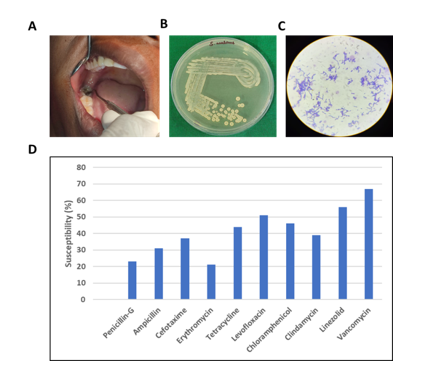
Of 43 patients, S. mutans was isolated from 53.49% (n=23) with 17.39% (n=4) as resistant traits. The colonies were observed as distinct, smooth, raised, convex, undulate, opaque, pale-yellow colonies with a jelly-like appearance on MSA agar. Gram staining showed Gram-positive cocci in short chains (Figure 1a, 1b, and 1c). The resistant traits (n=4) showed resistance to penicillin, ampicillin, erythromycin, tetracycline, clindamycin, and levofloxacin (Figure 1d).
Figure 1. (A) Phenotypic characterization of S. mutans from the carious scrapings of patients with dental caries. (B) Colony morphology as observed on sterile mutans sanguis agar. (C) Gram staining showing the Gram-positive cocci in short chains. (D) Antibiogram profiling of the isolates (n=23) showing resistant traits
Antimicrobial and antibiofilm effects of acetaminophen against S. mutans:
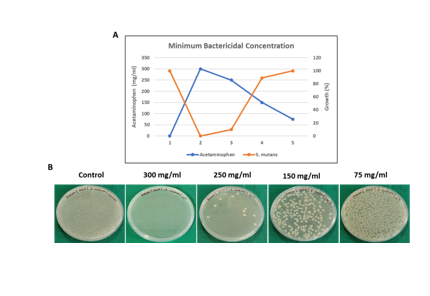
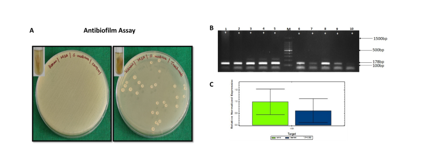
The antimicrobial efficacy of acetaminophen was highly promising for all the strains (100%; n=23), including the resistant strains, as assessed by the agar well diffusion method. The zone of inhibition was recorded as 21±1.52 mm (Figure 2a). The MIC and MBC values were determined as 250 mg/mL (Figure 2b) and 300 mg/mL (Figure 3a and 3b), respectively. The biofilm inhibition property of acetaminophen as evaluated by CFUs showed a significant difference between the control (untreated S. mutans biofilm) and the treatment group (biofilm treated with 250 mg of acetaminophen). The reduction in the number of colonies on the tooth models upon treatment is reported in Figure 4a.
Figure 2. Antimicrobial property of acetaminophen against S. mutans showing (A) zone of clearance against both susceptible and resistant strains. (B) Graph depicting the OD value for the MIC value at 250 mg/mL by microbroth dilution method
Figure 3. (A) Acetaminophen showing the MBC (300 mg/mL). (B) Reduction in colony count at varying concentrations of acetaminophen
Frequency of vicK gene in S. mutans and its expression profile:
The vicK gene was detected using PCR, and the frequency of the gene in S. mutans was 86.96% (n=20), with all four resistant traits possessing the gene (Figure 4b). To validate the alterations in vicK gene expression, further analysis was conducted using qPCR. The results revealed a significant down-regulation of the vicK gene following acetaminophen treatment, as illustrated in Figure 4c. Conversely, the control group exhibited an up-regulation of the vicK gene. Specifically, the fold change value in the control group was determined to be 1.018; whereas, the fold change value in the acetaminophen-treated group was significantly lower at 0.668 (P<0.05). These findings indicated that acetaminophen treatment exerted a distinct inhibitory effect on the vicK gene expression in S. mutans.
Figure 4. A. Antibiofilm effect of acetaminophen as evaluated on the tooth models and inhibition of biofilm formation on the treated teeth in comparison with the control as evaluated by the reduction in colony count as determined by CFUs/mL. (B) Frequency of vicK gene and its expression among the clinical isolates of S. mutans. Electrophoretogram of vicK gene showing the amplicon at 178bp C. RT-PCR analysis showing the downregulation of the vicK gene expression upon treatment with acetaminophen
Discussion
Of 43 patients, S. mutans was isolated from 53.49% (n=23) with 17.39% (n=4) as resistant traits. The colonies were observed as distinct, smooth, raised, convex, undulate, opaque, pale-yellow colonies with a jelly-like appearance on MSA agar. Gram staining showed Gram-positive cocci in short chains (Figure 1a, 1b, and 1c). The resistant traits (n=4) showed resistance to penicillin, ampicillin, erythromycin, tetracycline, clindamycin, and levofloxacin (Figure 1d).
Figure 1. (A) Phenotypic characterization of S. mutans from the carious scrapings of patients with dental caries. (B) Colony morphology as observed on sterile mutans sanguis agar. (C) Gram staining showing the Gram-positive cocci in short chains. (D) Antibiogram profiling of the isolates (n=23) showing resistant traits
Antimicrobial and antibiofilm effects of acetaminophen against S. mutans:
The antimicrobial efficacy of acetaminophen was highly promising for all the strains (100%; n=23), including the resistant strains, as assessed by the agar well diffusion method. The zone of inhibition was recorded as 21±1.52 mm (Figure 2a). The MIC and MBC values were determined as 250 mg/mL (Figure 2b) and 300 mg/mL (Figure 3a and 3b), respectively. The biofilm inhibition property of acetaminophen as evaluated by CFUs showed a significant difference between the control (untreated S. mutans biofilm) and the treatment group (biofilm treated with 250 mg of acetaminophen). The reduction in the number of colonies on the tooth models upon treatment is reported in Figure 4a.
Figure 2. Antimicrobial property of acetaminophen against S. mutans showing (A) zone of clearance against both susceptible and resistant strains. (B) Graph depicting the OD value for the MIC value at 250 mg/mL by microbroth dilution method
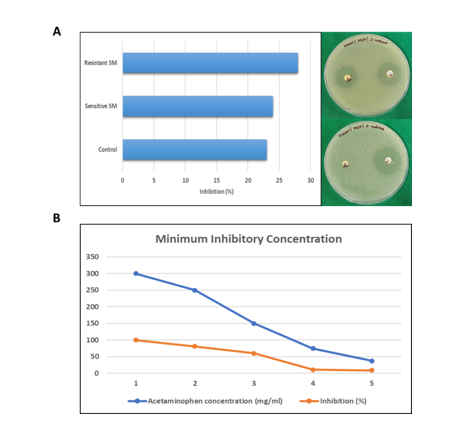
Figure 3. (A) Acetaminophen showing the MBC (300 mg/mL). (B) Reduction in colony count at varying concentrations of acetaminophen
Frequency of vicK gene in S. mutans and its expression profile:
The vicK gene was detected using PCR, and the frequency of the gene in S. mutans was 86.96% (n=20), with all four resistant traits possessing the gene (Figure 4b). To validate the alterations in vicK gene expression, further analysis was conducted using qPCR. The results revealed a significant down-regulation of the vicK gene following acetaminophen treatment, as illustrated in Figure 4c. Conversely, the control group exhibited an up-regulation of the vicK gene. Specifically, the fold change value in the control group was determined to be 1.018; whereas, the fold change value in the acetaminophen-treated group was significantly lower at 0.668 (P<0.05). These findings indicated that acetaminophen treatment exerted a distinct inhibitory effect on the vicK gene expression in S. mutans.
Figure 4. A. Antibiofilm effect of acetaminophen as evaluated on the tooth models and inhibition of biofilm formation on the treated teeth in comparison with the control as evaluated by the reduction in colony count as determined by CFUs/mL. (B) Frequency of vicK gene and its expression among the clinical isolates of S. mutans. Electrophoretogram of vicK gene showing the amplicon at 178bp C. RT-PCR analysis showing the downregulation of the vicK gene expression upon treatment with acetaminophen
Discussion
In routine dental practice, it is essential to use various drugs with diverse biological functions to manage orodental infections and alleviate associated pain. Addressing microbial challenges on tooth surfaces and gingival tissues remains a significant task. Diclofenac, known for its anti-inflammatory properties [32], and acetaminophen, which offers analgesic and antipyretic effects [33], are commonly utilized to reduce pain from orodental infections. Additionally, previous investigations have highlighted the antimicrobial properties of these drugs against key bacterial pathogens, including tuberculosis bacilli [34]. Thus, it is crucial to assess their potential as antibacterial agents through proper validation against various pathogens. This study aimed to provide evidence by evaluating their antibacterial potential specifically against the dental pathogen S. mutans, representing a novel approach in dental health research. The isolation of S. mutans from 53.49% of patients highlights its high prevalence in oral infections, although lower than the 98.11% reported among caries-active children in a previous study [35]. Notably, 17.39% of isolates exhibited resistance to multiple antibiotics, including penicillin and levofloxacin, likely due to mechanisms such as efflux pumps, target-site mutations, and biofilm-mediated protection [36]. Biofilms act as physical barriers against antimicrobial agents, while the VicRK two-component system enhances adaptability and survival under stress [37]. These resistant traits complicate treatment and contribute to the persistence and virulence of S. mutans, playing a key role in the progression of dental caries. The investigation revealed significant antibacterial activity of acetaminophen against S. mutans, with inhibition zones comparable to previous findings on other pathogens.
Alnaji et al. [38] demonstrated acetaminophen's efficacy against Escherichia coli and Salmonella typhi, with inhibition zones of 16 mm and 13 mm, respectively; while Salem-Milani et al. [39] reported diclofenac's antibacterial activity against E. faecalis, although with a smaller zone of 9 mm. The observed antibacterial effects of acetaminophen are likely mediated through disruptions in bacterial replication, DNA repair mechanisms, and cellular division, as described by Zhang and Cheng [40]. These disruptions compromise bacterial integrity, rendering them unable to sustain growth or form biofilm. The comparable efficacy against diverse pathogens underscores the broad-spectrum potential of acetaminophen as an antimicrobial agent, although further studies are needed to elucidate its precise molecular mechanisms in S. mutans. In the present study, both the MIC and MBC of the drug were assessed. The results indicated that acetaminophen was notably effective against S. mutans, although the required concentrations were relatively high. Previous research reported a MIC of 1024 µg/mL for diclofenac against Escherichia coli [41] and lower MIC values for ibuprofen and acetaminophen against Staphylococcus aureus and Paracoccus yeei [42], with Enterobacter strains showing resistance. In contrast, the present study determined the MIC value for acetaminophen against S. mutans to be 250 µg/mL with MBC value of 300 µg/mL. Additionally, the differences in MIC and MBC values across studies highlight the variable susceptibility of different bacterial species and strains to acetaminophen, emphasizing the need for targeted optimization of therapeutic strategies for S. mutans. Further investigations are warranted to explore these mechanisms in detail and develop more efficient approaches to combat S. mutans infections. This study demonstrated that acetaminophen significantly inhibited S. mutans biofilm formation, as evidenced by a marked reduction in CFUs on treated tooth models compared to controls. These findings align with previous reports on non-steroidal agents like diclofenac, which disrupt biofilms through mechanisms such as interference with quorum sensing and biofilm matrix synthesis [39]. The observed activity may be attributed to acetaminophen's potential to disturb biofilm formation in S. mutans. Compared to other agents requiring higher concentrations, acetaminophen showed efficacy at 250 µg/mL, making it a promising candidate for addressing biofilm-associated dental caries. The high frequency of the vicK gene (86.96%) among the isolates, including all resistant strains, underscores its pivotal role in the pathogenicity and survival strategies of S. mutans. The vicK gene encodes a part of the two-component regulatory system (VicK/VicR), which has been implicated in regulating virulence factors such as biofilm formation and the ability to resist environmental stressors. The presence of vicK in a significant proportion of isolates suggests its involvement in enhancing the bacterium's survival under hostile conditions, such as during dental plaque formation, where acidic environments and immune defenses are prevalent. This observation aligns with previous studies, including Zhuang et al. [43], who reported a high prevalence of vicK and vicR among childhood caries isolates. These findings suggest that S. mutans utilizes the VicK/VicR system as a critical mechanism for adapting to environmental stresses in the oral cavity and contributing to its pathogenic potential. Furthermore, the widespread presence of vicK among resistant strains might indicate that this gene also plays a role in antimicrobial resistance, potentially by modulating stress response pathways that mitigate the effects of antimicrobial agents.
Acetaminophen treatment resulted in significant down-regulation of the vicK gene, with a fold change reduction by 0.668 in the treated group compared to 1.018 in the control group (P<0.05). This down-regulation likely impairs biofilm formation and adaptive mechanisms, reducing the virulence of S. mutans. Biofilms, being a critical survival strategy, protect S. mutans from environmental stresses and antimicrobial agents, facilitating persistence in the oral cavity [44]. The inhibition of the VicRK system by acetaminophen aligns with earlier reports where disruption of this regulatory pathway weakened biofilm integrity and reduced bacterial virulence [45, 46]. Mechanistically, acetaminophen may interfere with the VicRK signaling cascade, thereby disrupting the regulation of genes responsible for exopolysaccharide synthesis and biofilm matrix formation. This finding is particularly significant in the context of resistant strains, as all resistant traits in this study harbored the vicK gene, highlighting its role in mediating survival under antimicrobial pressure. These results suggest that acetaminophen's inhibitory effect on the vicK gene represents a promising avenue for targeting S. mutans virulence. By down-regulating biofilm-associated pathways, acetaminophen could reduce the pathogen's capacity to colonize and persist in the oral cavity, thereby mitigating its role in dental caries progression. Further research involving in vivo studies and molecular analyses is essential to confirm these findings and explore the broader potential of acetaminophen in dental health management. The main limitation of this evidence-based study was its small sample size, and thus the frequency of the vicK gene and its expression have to be documented in a larger sample size. With the evidence of the antimicrobial property of acetaminophen against S. mutans, in vivo experimental research in animal models is warranted to understand its full efficacy against S. mutans and further its molecular level of action.
Conclusion
Alnaji et al. [38] demonstrated acetaminophen's efficacy against Escherichia coli and Salmonella typhi, with inhibition zones of 16 mm and 13 mm, respectively; while Salem-Milani et al. [39] reported diclofenac's antibacterial activity against E. faecalis, although with a smaller zone of 9 mm. The observed antibacterial effects of acetaminophen are likely mediated through disruptions in bacterial replication, DNA repair mechanisms, and cellular division, as described by Zhang and Cheng [40]. These disruptions compromise bacterial integrity, rendering them unable to sustain growth or form biofilm. The comparable efficacy against diverse pathogens underscores the broad-spectrum potential of acetaminophen as an antimicrobial agent, although further studies are needed to elucidate its precise molecular mechanisms in S. mutans. In the present study, both the MIC and MBC of the drug were assessed. The results indicated that acetaminophen was notably effective against S. mutans, although the required concentrations were relatively high. Previous research reported a MIC of 1024 µg/mL for diclofenac against Escherichia coli [41] and lower MIC values for ibuprofen and acetaminophen against Staphylococcus aureus and Paracoccus yeei [42], with Enterobacter strains showing resistance. In contrast, the present study determined the MIC value for acetaminophen against S. mutans to be 250 µg/mL with MBC value of 300 µg/mL. Additionally, the differences in MIC and MBC values across studies highlight the variable susceptibility of different bacterial species and strains to acetaminophen, emphasizing the need for targeted optimization of therapeutic strategies for S. mutans. Further investigations are warranted to explore these mechanisms in detail and develop more efficient approaches to combat S. mutans infections. This study demonstrated that acetaminophen significantly inhibited S. mutans biofilm formation, as evidenced by a marked reduction in CFUs on treated tooth models compared to controls. These findings align with previous reports on non-steroidal agents like diclofenac, which disrupt biofilms through mechanisms such as interference with quorum sensing and biofilm matrix synthesis [39]. The observed activity may be attributed to acetaminophen's potential to disturb biofilm formation in S. mutans. Compared to other agents requiring higher concentrations, acetaminophen showed efficacy at 250 µg/mL, making it a promising candidate for addressing biofilm-associated dental caries. The high frequency of the vicK gene (86.96%) among the isolates, including all resistant strains, underscores its pivotal role in the pathogenicity and survival strategies of S. mutans. The vicK gene encodes a part of the two-component regulatory system (VicK/VicR), which has been implicated in regulating virulence factors such as biofilm formation and the ability to resist environmental stressors. The presence of vicK in a significant proportion of isolates suggests its involvement in enhancing the bacterium's survival under hostile conditions, such as during dental plaque formation, where acidic environments and immune defenses are prevalent. This observation aligns with previous studies, including Zhuang et al. [43], who reported a high prevalence of vicK and vicR among childhood caries isolates. These findings suggest that S. mutans utilizes the VicK/VicR system as a critical mechanism for adapting to environmental stresses in the oral cavity and contributing to its pathogenic potential. Furthermore, the widespread presence of vicK among resistant strains might indicate that this gene also plays a role in antimicrobial resistance, potentially by modulating stress response pathways that mitigate the effects of antimicrobial agents.
Acetaminophen treatment resulted in significant down-regulation of the vicK gene, with a fold change reduction by 0.668 in the treated group compared to 1.018 in the control group (P<0.05). This down-regulation likely impairs biofilm formation and adaptive mechanisms, reducing the virulence of S. mutans. Biofilms, being a critical survival strategy, protect S. mutans from environmental stresses and antimicrobial agents, facilitating persistence in the oral cavity [44]. The inhibition of the VicRK system by acetaminophen aligns with earlier reports where disruption of this regulatory pathway weakened biofilm integrity and reduced bacterial virulence [45, 46]. Mechanistically, acetaminophen may interfere with the VicRK signaling cascade, thereby disrupting the regulation of genes responsible for exopolysaccharide synthesis and biofilm matrix formation. This finding is particularly significant in the context of resistant strains, as all resistant traits in this study harbored the vicK gene, highlighting its role in mediating survival under antimicrobial pressure. These results suggest that acetaminophen's inhibitory effect on the vicK gene represents a promising avenue for targeting S. mutans virulence. By down-regulating biofilm-associated pathways, acetaminophen could reduce the pathogen's capacity to colonize and persist in the oral cavity, thereby mitigating its role in dental caries progression. Further research involving in vivo studies and molecular analyses is essential to confirm these findings and explore the broader potential of acetaminophen in dental health management. The main limitation of this evidence-based study was its small sample size, and thus the frequency of the vicK gene and its expression have to be documented in a larger sample size. With the evidence of the antimicrobial property of acetaminophen against S. mutans, in vivo experimental research in animal models is warranted to understand its full efficacy against S. mutans and further its molecular level of action.
Conclusion
The results of this study demonstrated that acetaminophen exhibited significant antimicrobial activity against S. mutans, including strains resistant to multiple antibiotics. Acetaminophen was found to inhibit both bacterial growth and biofilm formation, with a MIC of 250 mg/mL and a MBC of 300 µg/mL. Additionally, acetaminophen treatment led to significant downregulation of the vicK gene, which plays a crucial role in biofilm formation and resistance to environmental stress. These findings support the potential of acetaminophen as a repurposed therapeutic agent against dental caries and suggest further investigation into its molecular mechanisms of action. The high prevalence of the vicK gene among S. mutans isolates, including resistant strains, highlights the importance of targeting bacterial virulence factors as part of novel treatment strategies.
Type of Study: Original article |
Subject:
Oral medicine
References
1. Zhang Y, Fang J, Yang J, Gao X, Dong L, Zheng X, et al. Streptococcus mutans-associated bacteria in dental plaque of severe early childhood caries. J Oral Microbiol. 2022 Mar;14(1):2046309. [DOI:10.1080/20002297.2022.2046309] [PMID] [PMCID]
2. Ganesh PS. 4-hydroxy-3-methoxybenzaldehyde causes attrition of biofilm formation and quorum sensing-associated virulence factors of Streptococcus mutans. Arch Oral Biol. 2024 Jul;163:105976. [DOI:10.1016/j.archoralbio.2024.105976] [PMID]
3. Tamanna IS, Smiline Girija AS, Priyadharsini JV. Detection of gbpA and gbpB in Streptococcus mutans isolated from patients with oral potentially malignant disorders: A pilot study. J Clin Diagn Res. 2024 Jul;18(7): 1-7. [DOI:10.7860/JCDR/2024/69002.19582]
4. Nair SG, Kondody RT, Bhandari S. Evaluation of effect of vitamin C on streptococcus mutans induced secondary caries: An In vitro study. Res J Pharm Technol. 2023 Jul;16(7):3245-50. [DOI:10.52711/0974-360X.2023.00533]
5. Sakthivel S, Girija ASS, Priyadharsini VJ, Parameshwari KK. Frequency of Mutacin gene types in Streptococcus mutans isolated from oral potentially malignant disorder (OPMD) patients. Cureus. 2024 Aug;16(8):e66335. [DOI:10.7759/cureus.66335]
6. Nookala H, Jain RK, Ganesh PS. Biofilm formation and Streptococcus mutans adhesion on different coated and noncoated nickel-titanium archwires: An in vitro study. J Int Oral Health. 2023 Nov;15(6):509-15. [DOI:10.4103/jioh.jioh_109_23]
7. Vora M, Selvi SG, Gunasekaran S, Jayaseelan VP. Computational evaluation on the interactions of an opaque-phase ABC transporter associated with fluconazole resistance in Candida albicans, by the Psidium guajava bio-active compounds. J Pharmacopuncture. 2024 Jun;27(2):91-7. [DOI:10.3831/KPI.2024.27.2.91] [PMID] [PMCID]
8. Khan M, Alkhathlan HZ, Khan ST. Antibiotic and antibiofilm activities of Salvadora persica L. essential oils against Streptococcus mutans: A detailed comparative study with chlorhexidine digluconate. Pathogens. 2020 Jan;9(1):66-73. [DOI:10.3390/pathogens9010066] [PMID] [PMCID]
9. Gaurav A, Bakht P, Saini M, Pandey S, Pathania R. Role of bacterial efflux pumps in antibiotic resistance, virulence, and strategies to discover novel efflux pump inhibitors. Microbiology (Reading). 2023 May;169(5):13-33. [DOI:10.1099/mic.0.001333] [PMID] [PMCID]
10. Alves-Barroco C, Rivas-García L, Fernandes AR, Baptista PV. Tackling multidrug resistance in Streptococci - from novel biotherapeutic strategies to nanomedicines. Front Microbiol. 2020 Oct;11:579916. [DOI:10.3389/fmicb.2020.579916] [PMID] [PMCID]
11. Deng Y, Yang Y, Zhang B, Chen H, Lu Y, Ren S, et al. The vicK gene of Streptococcus mutans mediates its cariogenicity via exopolysaccharides metabolism. Int J Oral Sci. 2021 Dec;13(1):45-54. [DOI:10.1038/s41368-021-00149-x] [PMID] [PMCID]
12. Alves LA, Harth-Chu EN, Palma TH, Stipp RN, Mariano FS, Höfling JF, et al. The two-component system VicRK regulates functions associated with Streptococcus mutans resistance to complement immunity. Mol Oral Microbiol. 2017 Oct;32(5):419-31. [DOI:10.1111/omi.12183] [PMID] [PMCID]
13. Kothari V, Girija AS, Gunasekaran S, Priyadharsini JV. Targeting the enterococcal fibronectin binding Protein-A of Enterococcus faecalis with bioactive compounds from Aegle Marmelos: An in-vitro and in-silico pilot study. J Clin Diagn Res. 2024 Jan;18(1):1-6. [DOI:10.7860/JCDR/2024/66306.18973]
14. Schein CH. Repurposing approved drugs for cancer therapy. Br Med Bull. 2021 Mar;137(1):13-27. [DOI:10.1093/bmb/ldaa045] [PMID]
15. Turner N, Zeng XY, Osborne B, Rogers S, Ye JM. Repurposing drugs to target the diabetes epidemic. Trends Pharmacol Sci. 2016 May;37(5):379-89. [DOI:10.1016/j.tips.2016.01.007] [PMID]
16. Toshner M, Spiekerkoetter E, Bogaard H, Hansmann G, Nikkho S, Prins KW. Repurposing of medications for pulmonary arterial hypertension. Pulm Circ. 2020 Oct;10(4): 2045894020941494. [DOI:10.1177/2045894020941494] [PMID] [PMCID]
17. Jaeschke H, Akakpo JY, Umbaugh DS, Ramachandran A. Novel therapeutic approaches against acetaminophen-induced liver injury and acute liver failure. Toxicol Sci. 2020 Apr;174(2):159-67. [DOI:10.1093/toxsci/kfaa002] [PMID] [PMCID]
18. Hsieh TC, Edwards NC, Bhattacharyya SK, Nitschelm KD, Burnett AL. The epidemic of COVID-19-related erectile dysfunction: a scoping review and health care perspective. Sex Med Rev. 2022 Apr;10(2):286-310. [DOI:10.1016/j.sxmr.2021.09.002] [PMID] [PMCID]
19. Ghiam MK, Patel SD, Hoffer A, Selman WR, Hoffer BJ, Hoffer ME. Drug repurposing in the treatment of traumatic brain injury. Front Neurosci. 2021 Mar;15:635483. [DOI:10.3389/fnins.2021.635483] [PMID] [PMCID]
20. Botta L, Rivara M, Zuliani V, Radi M. Drug repurposing approaches to fight Dengue virus infection and related diseases. Front Biosci (Landmark Ed.). 2018 Jan;23(6):997-1019. [DOI:10.2741/4630] [PMID]
21. Vijayashree Priyadharsini J. In silico validation of the non-antibiotic drugs acetaminophen and ibuprofen as antibacterial agents against red complex pathogens. J Periodontol. 2019 Dec;90(12):1441-8. [DOI:10.1002/JPER.18-0673] [PMID]
22. Abdul-Hussein ZR. Acetaminophen as antibacterial agent and its effect on antibiotic susceptibilities of some pathogenic bacteria. Eur J Exp Biol. 2014 Dec;4(2):351-6.
23. Abidi SH, Ahmed K, Kazmi SU. The antibiofilm activity of acetylsalicylic acid, mefenamic acid, acetaminophen against biofilms formed by P. aeruginosa and S. epidermidis. J Pak Med Assoc. 2019 Oct;69(10):1493-5. [DOI:10.5455/JPMA.295488]
24. Kiros A, Saravanan M, Niguse S, Gebregziabher D, Kahsay G, Dhandapani R, et al. Bacterial profile, antimicrobial susceptibility pattern, and associated factors among dental caries-suspected patients attending the Ayder omprehensive Specialized Hospital and Private Dental Clinic in Mekelle, Northern Ethiopia. Biomed Res Int. 2022 Oct;2022:3463472. [DOI:10.1155/2022/3463472] [PMID] [PMCID]
25. Clinical and Laboratory Standards Institute (CLSI). Performance Standards for Antimicrobial Susceptibility Testing. 33rd ed. CLSI supplement M100. Wayne, PA: Clinical and Laboratory Standards Institute; 2023.
26. Manandhar S, Luitel S, Dahal RK. In vitro antimicrobial activity of some medicinal plants against human pathogenic bacteria. J Trop Med. 2019 Apr;2019:1895340. [DOI:10.1155/2019/1895340] [PMID] [PMCID]
27. Ghilan AK, Alharbi NS, Khaled JM, Kadaikunnan S, Alobaidi AS. Virulence factors analysis and determination of the suitable chemical agent to inhibit Streptococcus mutans growth and biofilm formation. J King Saud Univ Sci. 2023 Nov;35(8):102892. [DOI:10.1016/j.jksus.2023.102892]
28. Kannan KP, As SG. Anticandidal effect of cinnamic acid characterized from Cinnamomum cassia bark against the fluconazole resistant strains of Candida. Braz J Microbiol. 2024 Dec;55(4):3655-66. [DOI:10.1007/s42770-024-01469-w] [PMID] [PMCID]
29. R PV, Girija ASS, Priyadharsini JV, Parameshwari KK. Frequency of fimbrial gene types I, Ib, and II in clinical strains of porphyromonas gingivalis characterized from periodontitis patients. Cureus. 2024 Jul;16(7):e64117.
30. Stead MB, Agrawal A, Bowden KE, Nasir R, Mohanty BK, Meagher RB, et al. RNAsnap™: a rapid, quantitative and inexpensive, method for isolating total RNA from bacteria. Nucleic Acids Res. 2012 Nov;40(20):e156. [DOI:10.1093/nar/gks680] [PMID] [PMCID]
31. Wang W, Zhang X, Xu X, Xu X, Fu L, Chen H. Systematic identification of reference genes for qRT-PCR of Ardisia kteniophylla A. DC under different experimental conditions and for anthocyanin-related genes studies. Front Plant Sci. 2023 Nov;14:1284007. [DOI:10.3389/fpls.2023.1284007] [PMID] [PMCID]
32. Gan TJ. Diclofenac: an update on its mechanism of action and safety profile. Curr Med Res Opin. 2010 Jul;26(7):1715-31. [DOI:10.1185/03007995.2010.486301] [PMID]
33. Ohashi N, Kohno T. Analgesic effect of acetaminophen: A review of known and novel mechanisms of action. Front Pharmacol. 2020 Nov;11:580289. [DOI:10.3389/fphar.2020.580289] [PMID] [PMCID]
34. Al-Janabi AA. In vitro antibacterial activity of Ibuprofen and acetaminophen. J Glob Infect Dis. 2010 May;2(2):105-8. [DOI:10.4103/0974-777X.62880] [PMID] [PMCID]
35. Villhauer A, Lynch D, Postler T, Dawson D, Drake D. Mutans streptococci and lactobacilli: colonization patterns and genotypic characterization of cariogenic bacterial species in American Indian children. Front Dent Med. 2021 Oct;2:740900. [DOI:10.3389/fdmed.2021.740900]
36. Mattos-Graner RO, Klein MI, Smith DJ. Lessons learned from clinical studies: roles of mutans streptococci in the pathogenesis of dental caries. Curr Oral Health Rep. 2014 Mar;1:70-8. [DOI:10.1007/s40496-013-0008-1]
37. Deng Y, Yang Y, Zhang B, Chen H, Lu Y, Ren S, et al. The vicK gene of Streptococcus mutans mediates its cariogenicity via exopolysaccharides metabolism. Int J Oral Sci. 2021 Dec;13(1):45-51. [DOI:10.1038/s41368-021-00149-x] [PMID] [PMCID]
38. Alnaji SA, Abdalkrim H, Almahdi AF, Abdulaziz M, Elsheikhi SM, Abdulhamid AJ, et al. Antibacterial activity of paracetamol, trimethoprim/sulfamethoxazole, azithromycin, and ciprofloxacin. J Adv Zool. 2023 Dec;4(6):44-7. [DOI:10.17762/jaz.v44iS6.2162]
39. Salem-Milani A, Balaei-Gajan E, Rahimi S, Moosavi Z, Abdollahi A, Zakeri-Milani P, et al. Antibacterial effect of diclofenac sodium on Enterococcus faecalis. J Dent (Tehran). 2013 Jan;10(1):16-22.
40. Zhang F, Cheng W. The mechanism of bacterial resistance and potential bacteriostatic strategies. Antibiotics (Basel). 2022 Sep;11(9):1215. [DOI:10.3390/antibiotics11091215] [PMID] [PMCID]
41. Ahmed EF, Abd El-Baky RM, Ahmed AB, Fawzy NG, Aziz NA, Gad GF. Evaluation of antibacterial activity of some non-steroidal anti-inflammatory drugs against Escherichia coli causing urinary tract infection. Afr J Microbiol Res. 2016 Sep;10(34):1408-16.
42. Al-Janabi AA. In vitro antibacterial activity of Ibuprofen and acetaminophen. J Glob Infect Dis. 2010 May;2(2):105-8. [DOI:10.5897/AJMR2016.8179]
42. Zhuang PL, Yu LX, Liao JK, Zhou Y, Lin HC. Relationship between the genetic polymorphisms of vicR and vicK Streptococcus mutans genes and early childhood caries in two-year-old children. BMC Oral Health. 2018 Mar;18(1):39-41. [DOI:10.1186/s12903-018-0501-y] [PMID] [PMCID]
43. Koo H, Andes DR, Krysan DJ. Candida-streptococcal interactions in biofilm-associated oral diseases. PLoS Pathog. 2018 Dec;14(12):e1007342. [DOI:10.1371/journal.ppat.1007342] [PMID] [PMCID]
44. Senadheera MD, Lee AW, Hung DC, Spatafora GA, Goodman SD, Cvitkovitch DG. The Streptococcus mutans vicX gene product modulates gtfB/C expression, biofilm formation, genetic competence, and oxidative stress tolerance. J Bacteriol. 2007 Feb;189(4):1451-8. [DOI:10.1128/JB.01161-06] [PMID] [PMCID]
45. De Furio M, Ahn SJ, Burne RA, Hagen SJ. Oxidative stressors modify the response of Streptococcus mutans to its competence signal peptides. Appl Environ Microbiol. 2017 Oct;83(22):e01345-17. [DOI:10.1128/AEM.01345-17] [PMID] [PMCID]
Send email to the article author
| Rights and permissions | |
 |
This work is licensed under a Creative Commons Attribution-NonCommercial 4.0 International License. |